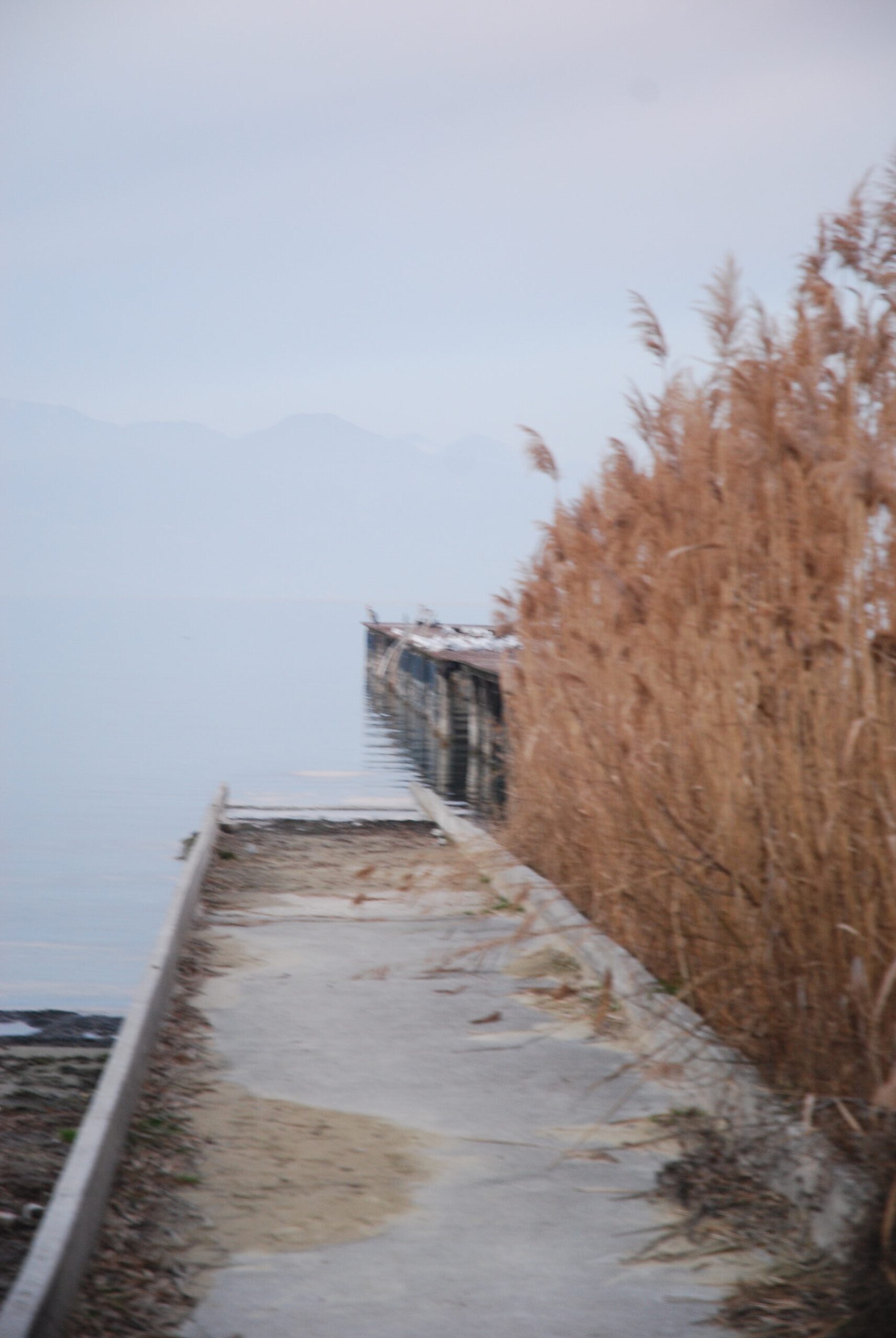
🌾 The Reeds of Lake Garda: Where the Shore Turns Wild
A few stretches of natural shore still resist around Lake Garda — among them, the reeds. Fragile, essential, and alive, they filter the water, shelter the birds, and remind us what the lake once was.
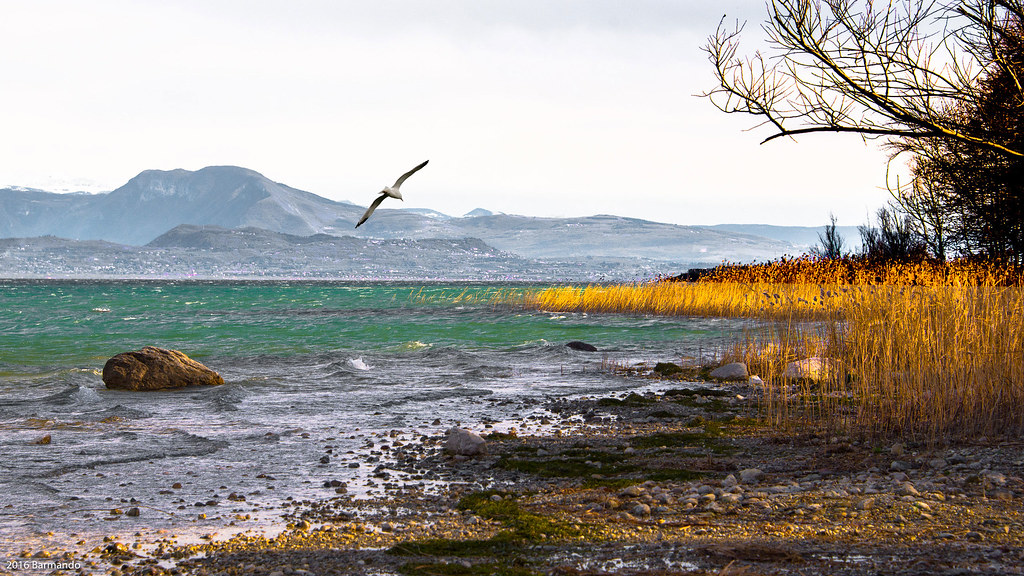
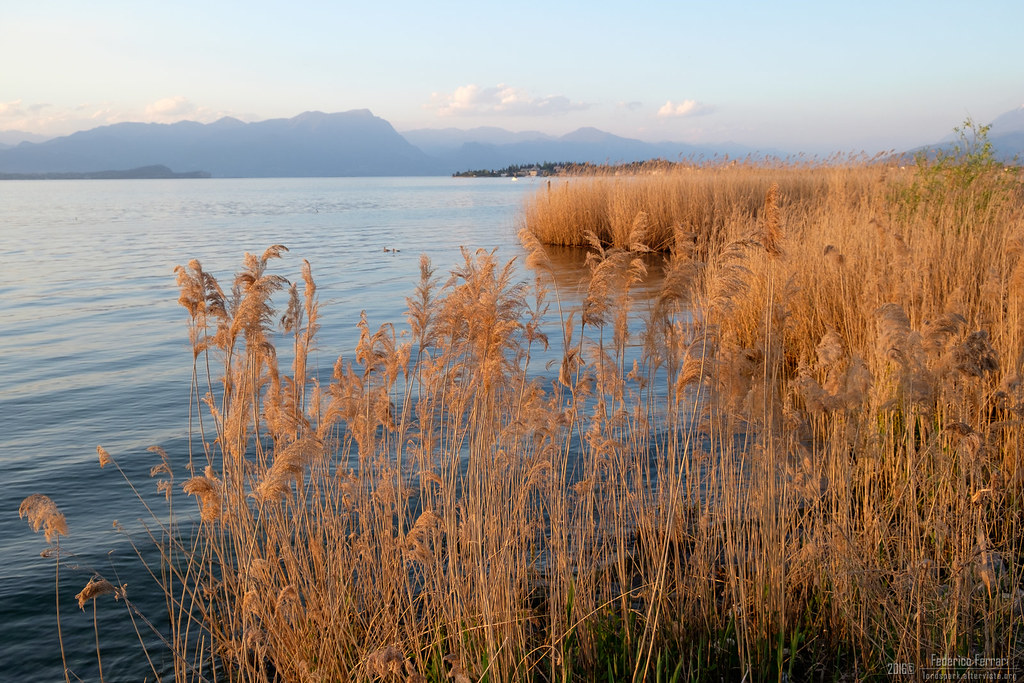
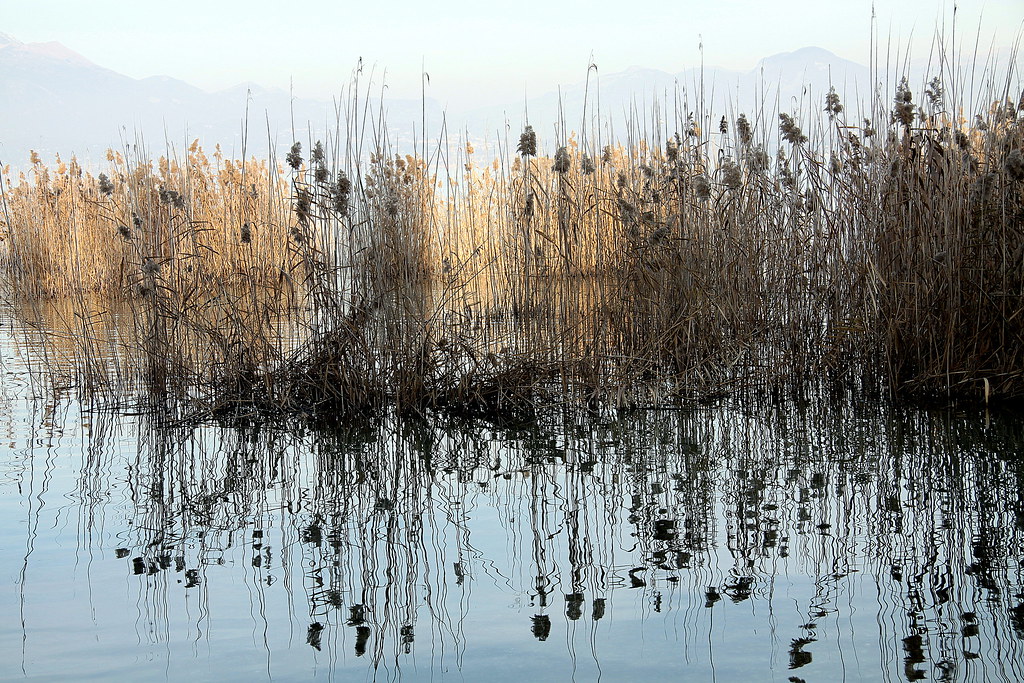
🌾 The Reeds of Lake Garda: Where the Shore Turns Wild
🌊 Where the lake meets the land without concrete, Garda reveals its oldest face.
The reeds — silent, flexible, often overlooked — are what remains of the wetlands that once surrounded much of its shores.
Today they survive only in a few stretches, resisting the pressure of tourism and urbanization, yet they still offer refuge and life to an entire ecosystem.
🪶 A Discreet but Vital Ecosystem
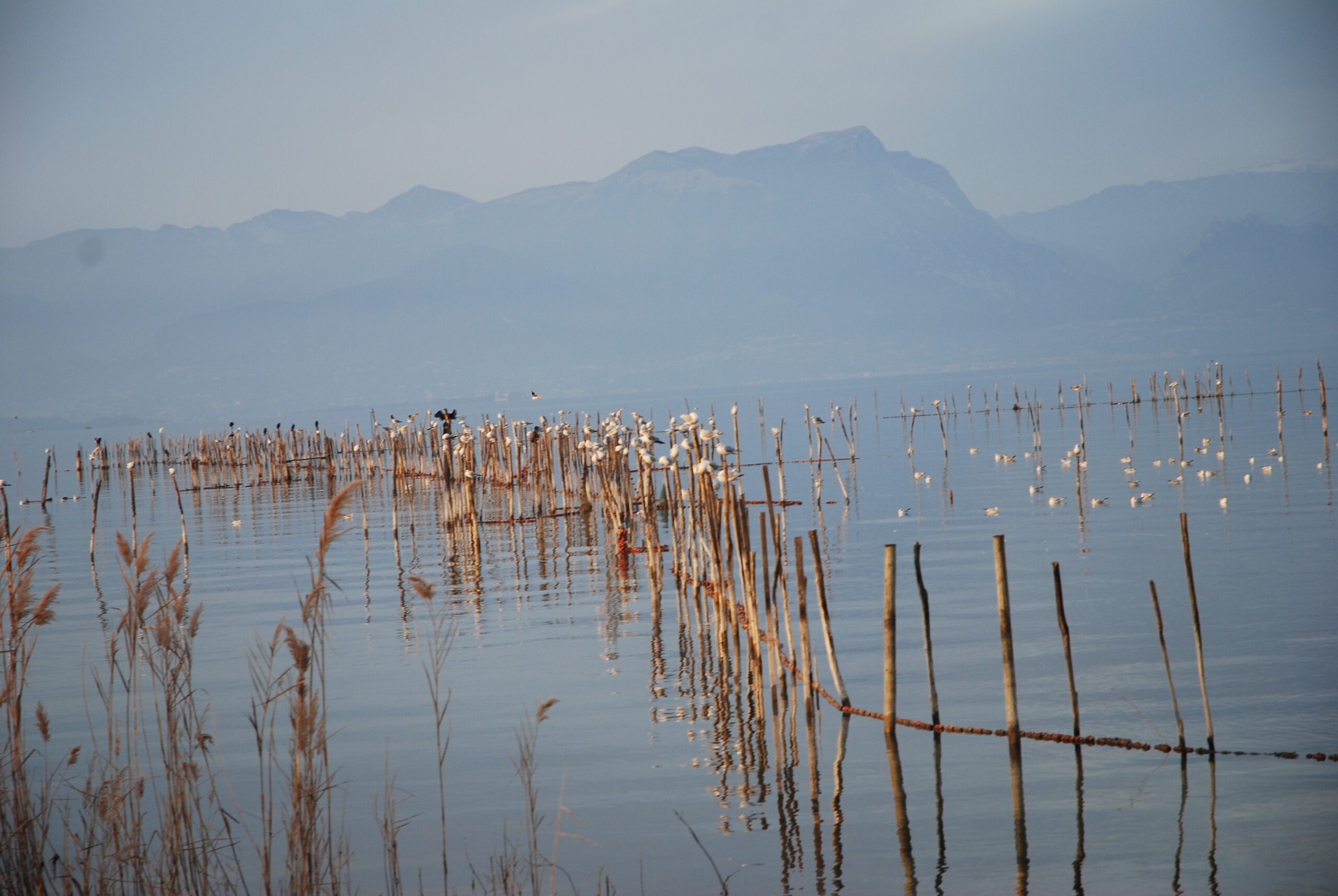
Reeds play a crucial ecological role. Their roots hold the soil and slow erosion, while their stems and leaves naturally filter the water, improving its quality.
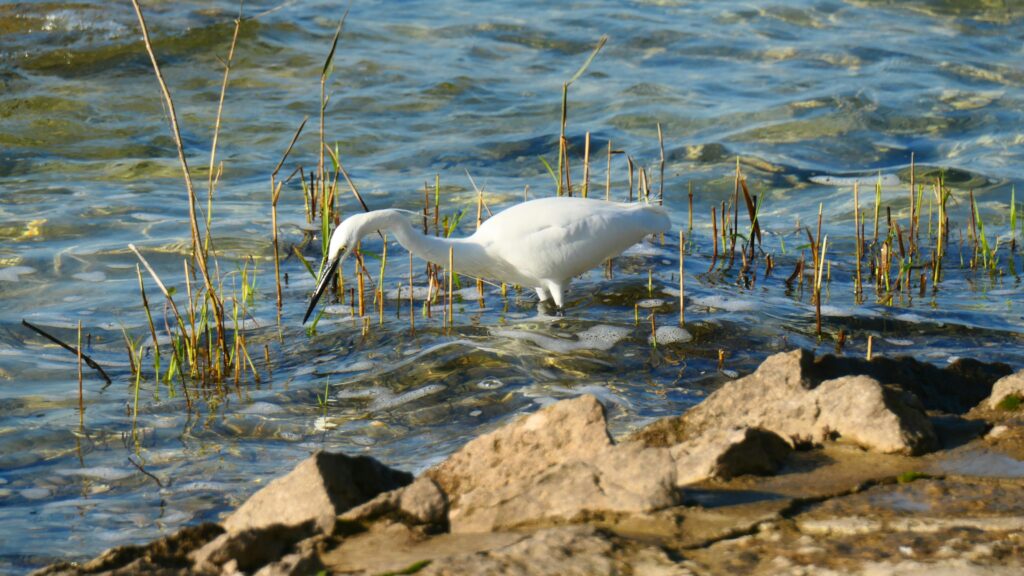
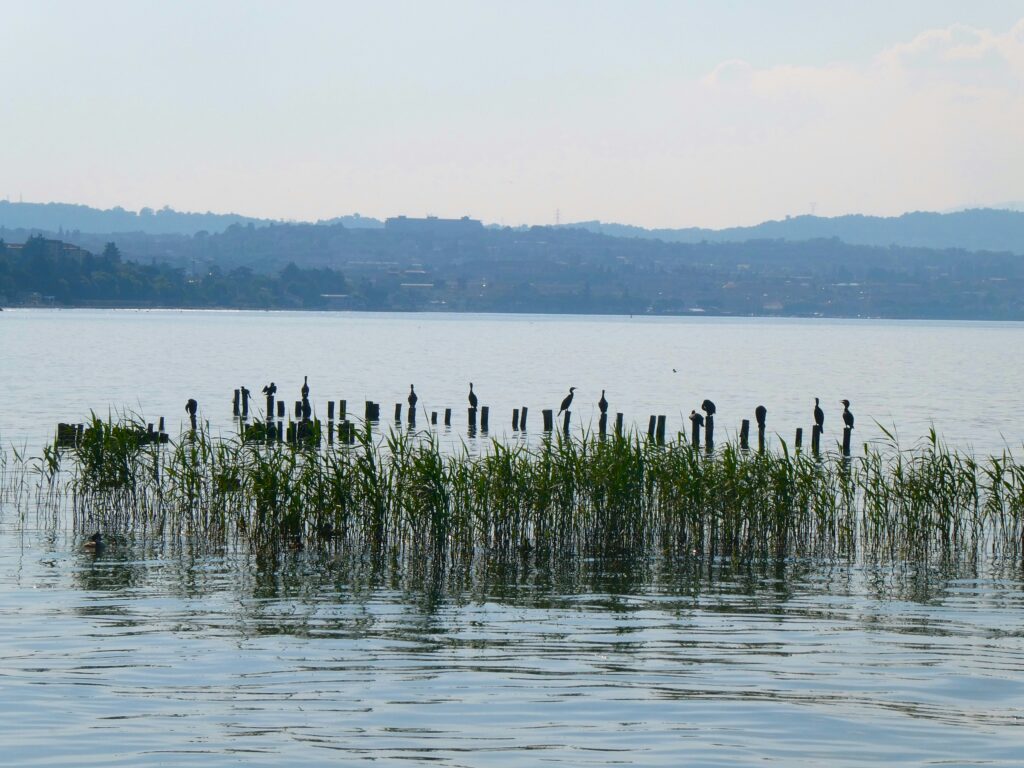
They are also natural nurseries: fish, amphibians, and invertebrates breed here, and birds such as coots, great crested grebes, grey herons, and moorhens find nesting grounds among them.
In the early morning, between April and June, the air vibrates with their calls and the rustling of the stalks — a soundscape that belongs only to places still free from human noise.
📍 Where to Find Them
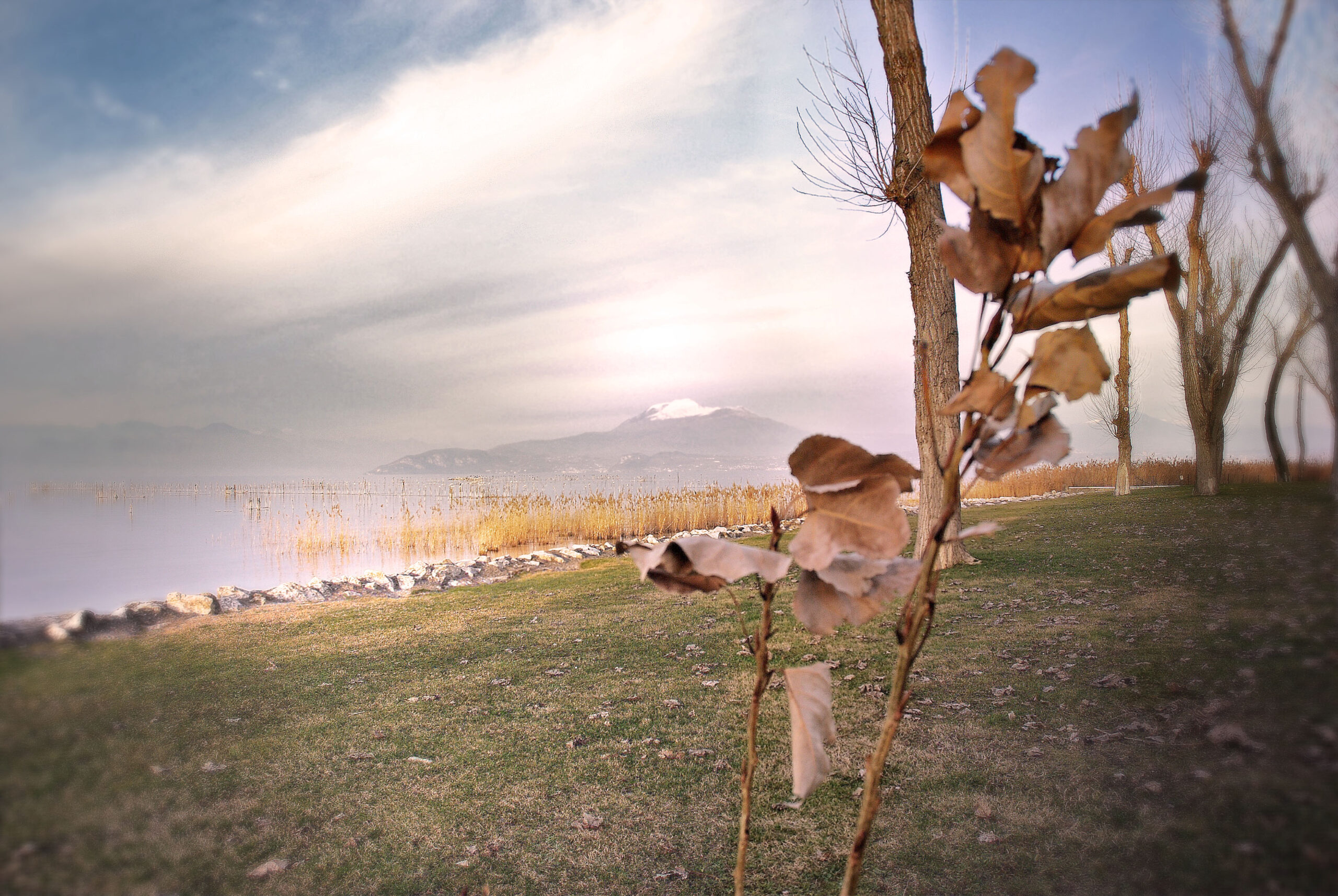
Along the southern shore, the most intact reed beds lie between Punta Grò and San Benedetto di Lugana, where the water is shallow and the shore remains sandy.
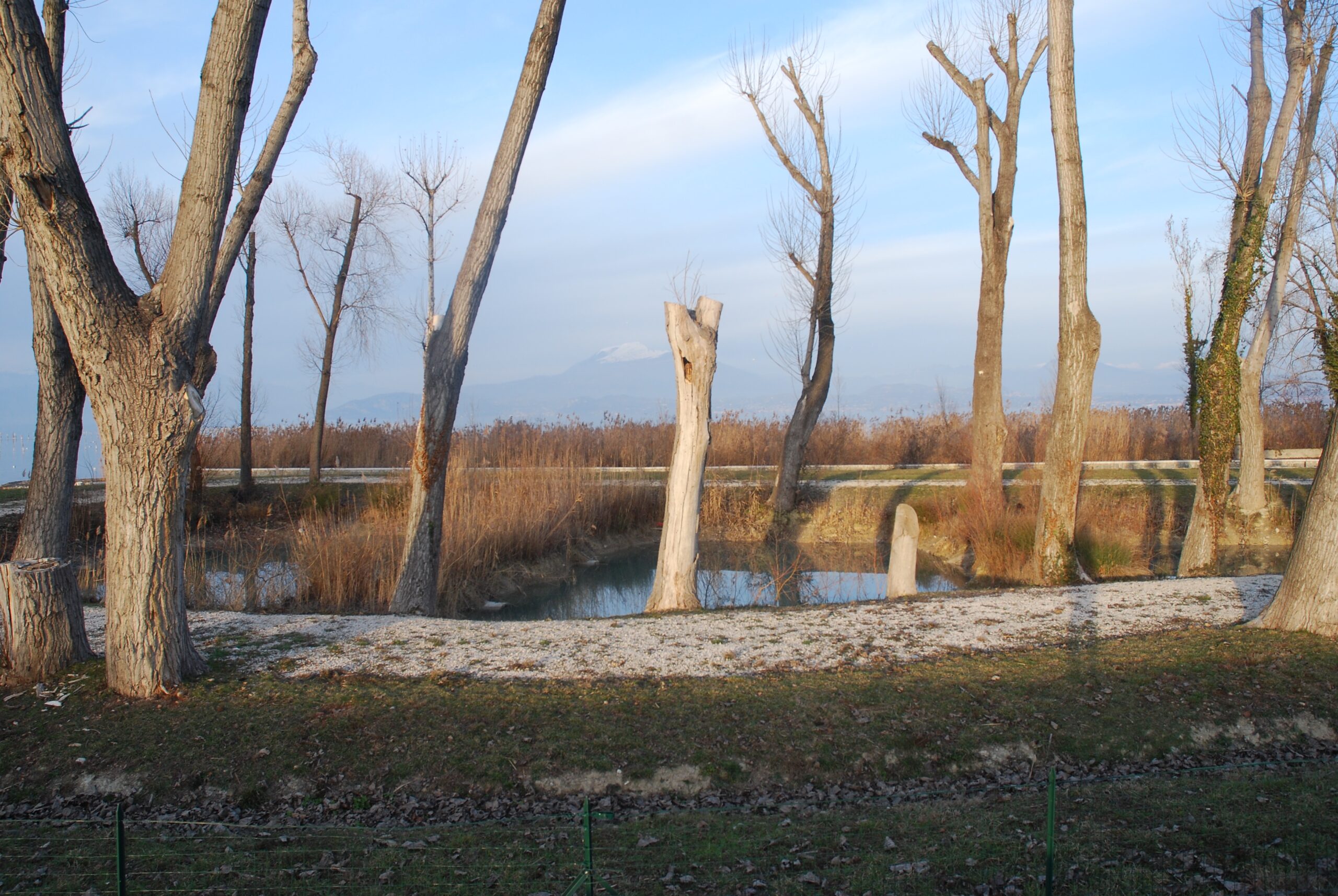
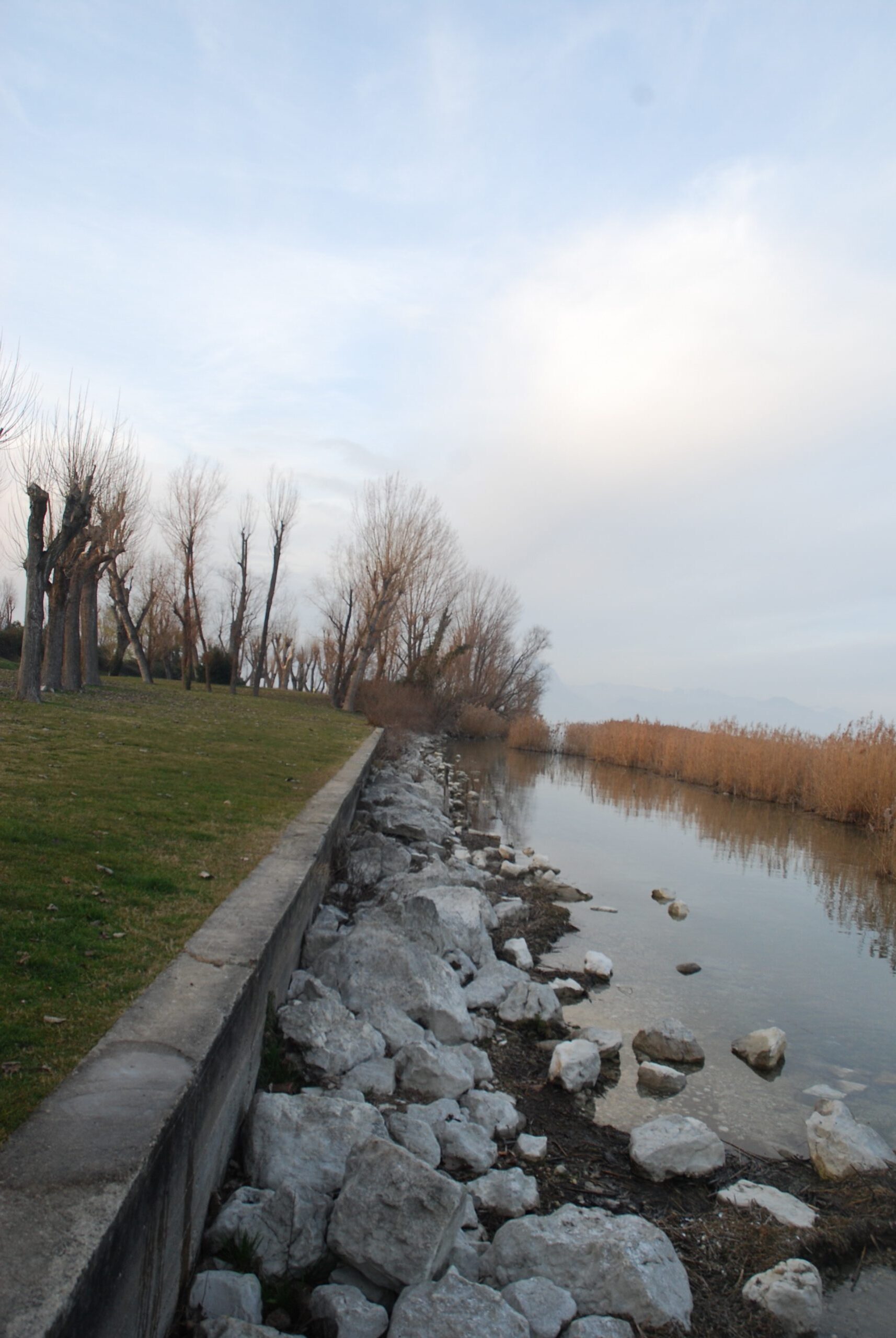
Here, long stretches of wetland vegetation frame quiet inlets and paths where swans, coots, and little grebes nest undisturbed. The area around Punta Grò in particular still preserves a semi-wild charm, with wide, waving reed belts and open views across the lake — one of the most atmospheric natural corners of Sirmione.
Further east, at the protected Laghetto del Frassino near Peschiera del Garda, the canebrakes form a genuine wetland sanctuary. This small lake is part of the Natura 2000 network (SIC/ZPS), hosting herons, bitterns, and a mosaic of aquatic plants that thrive in still water. Access is regulated, but the trails and viewpoints around the nature reserve allow you to appreciate the landscape without disturbing its fragile balance.
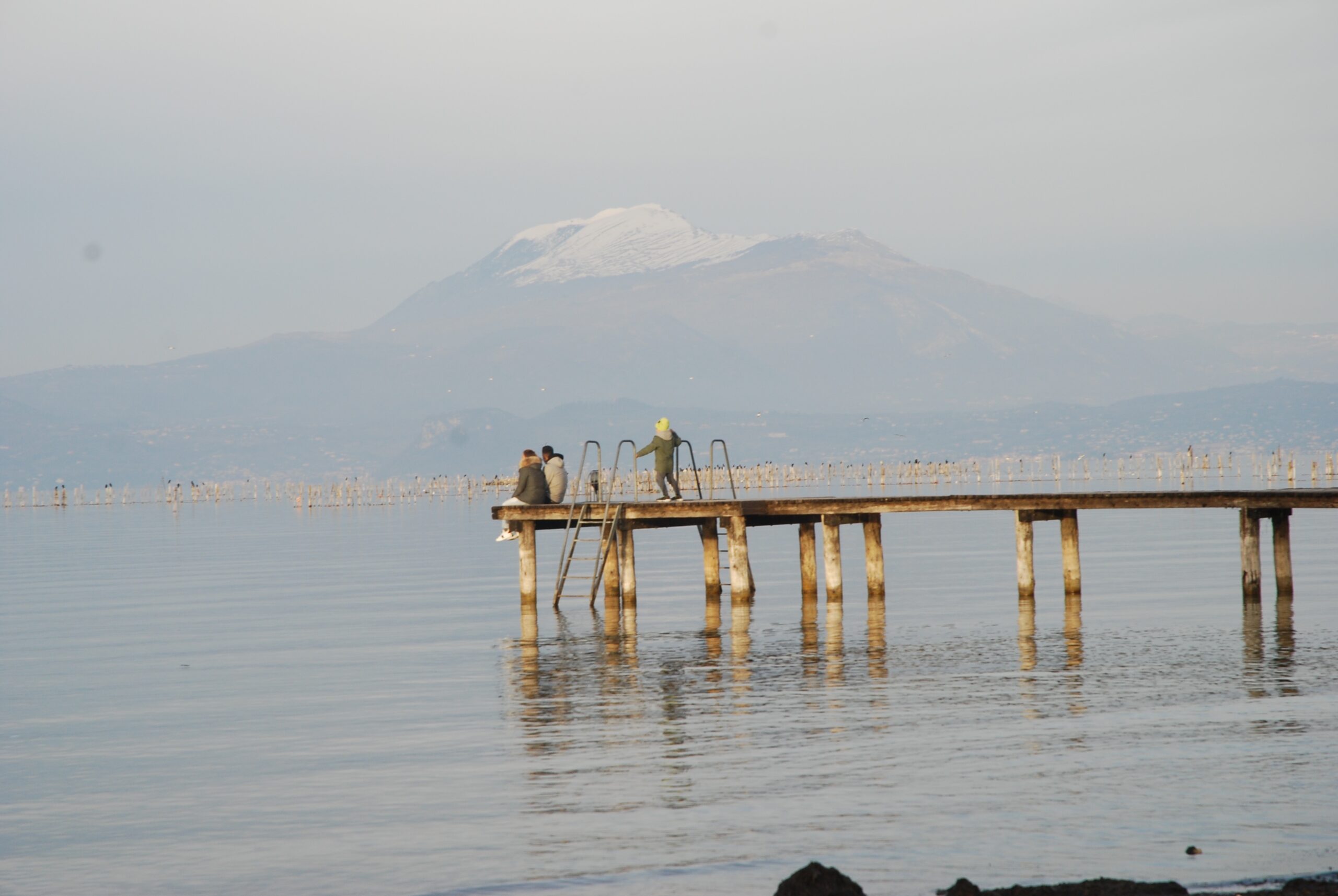
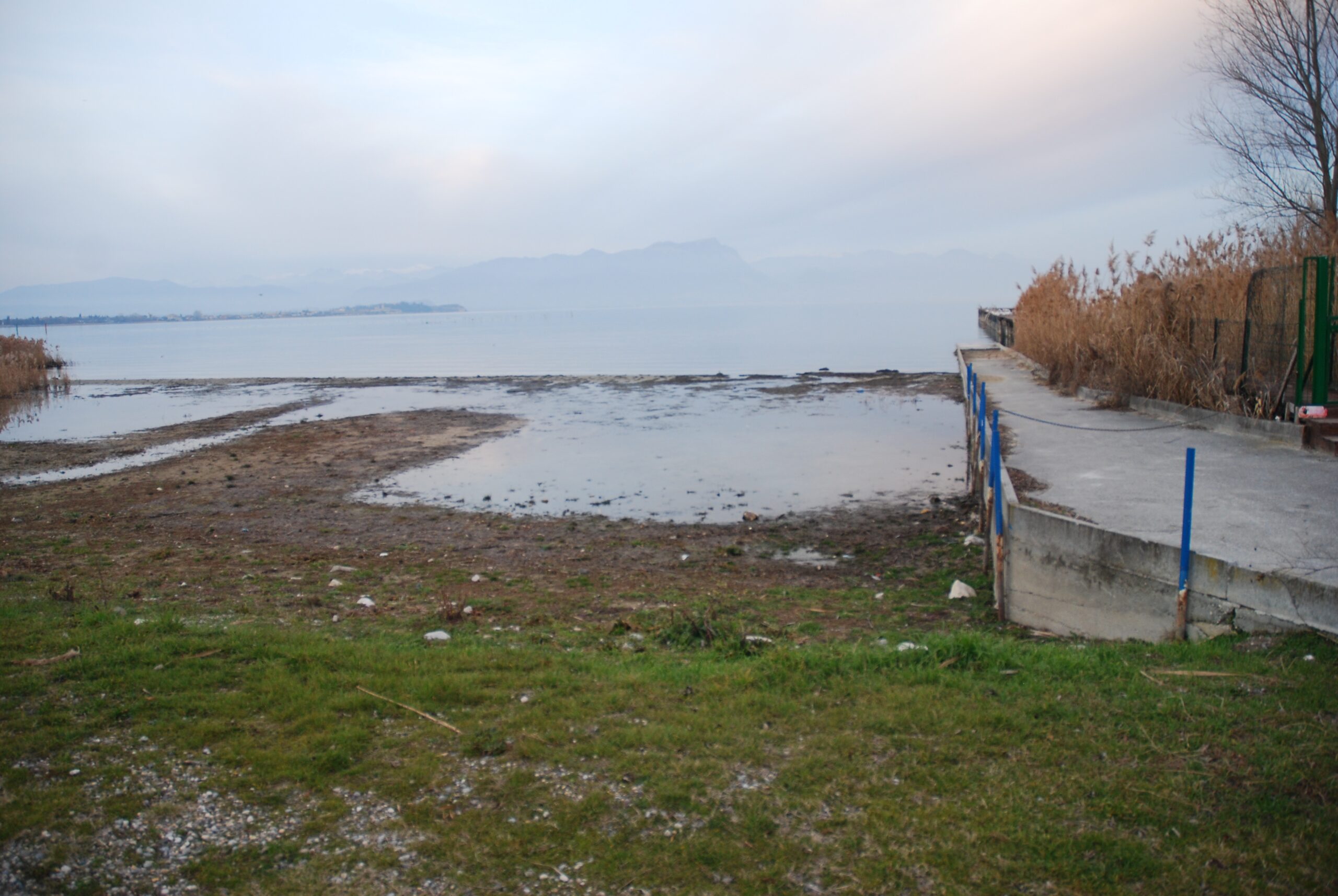
A short walk north leads to Spiaggia Brema, where smaller but evocative reed patches survive along the southern edge, close to the wooden walkway and the canal. Despite being a popular bathing spot, these clusters of reeds bring a touch of wilderness to the beach, especially at sunrise or in the quieter months.
Moving closer to Desenzano, minor remnants survive around Lavagnone, an ancient glacial basin now partly drained but still rich in ditches and ponds — a reminder of what much of the southern plain once looked like. To the west, near Padenghe and Moniga, only narrow belts of reeds remain, fragmented by beach developments yet still vital for migratory birds and amphibians.
A small, lesser-known patch also survives near Spiaggia dei Canneti in Desenzano, historically frequented by nudists and naturists. While its wild aspect adds curiosity, visitors should approach the area respectfully, bearing in mind its delicate coexistence of human and natural presence.
🌿 Visiting with Respect
Reeds are not a place to “see,” but to listen to and respect.
Stay on marked paths and avoid walking into the vegetation: even a few steps can damage nests or roots.
Drones and motorboats are prohibited near wetland areas, and during spring it’s essential to keep distance from nesting birds.
A pair of binoculars, a quiet camera, and some patience are the best tools for an authentic encounter with this microcosm of life.
🍂 The Seasons of the Reeds
Spring: life awakens; birds nest and the reeds grow lush.
Summer: deep green dominates, but dawn and dusk remain the best visiting hours.
Autumn: golden hues take over as migratory birds pass through; the light becomes warm and perfect for photography.
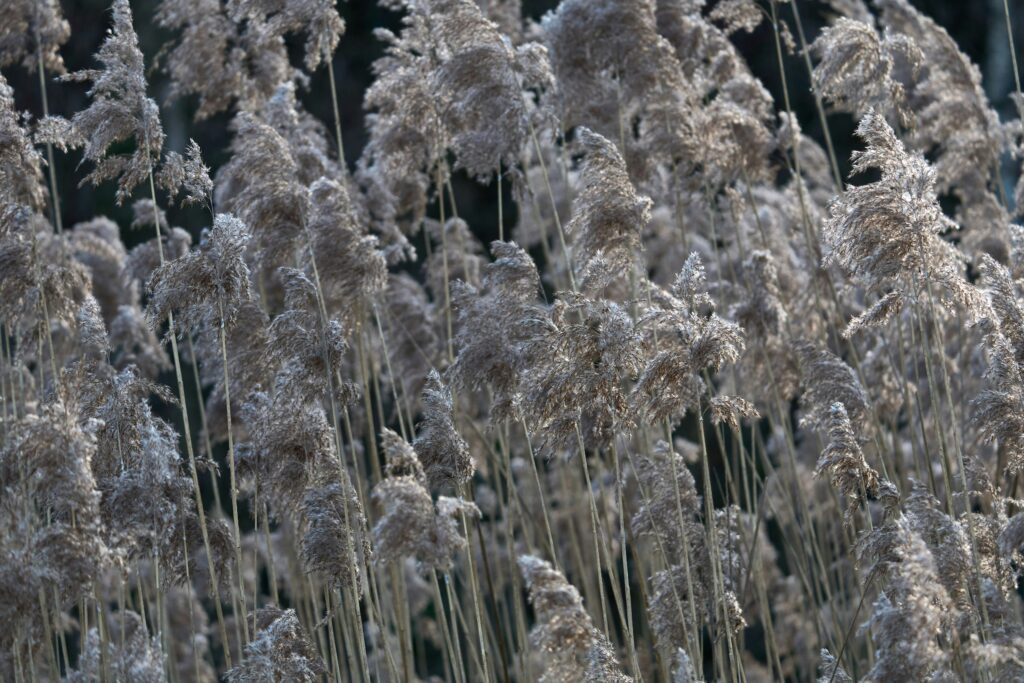
Winter: dry, golden reeds and a quiet, bare landscape — stark yet full of beauty.
🛶 Protecting What Remains
Over recent decades, many reed beds have been lost to dredging, cutting, and construction too close to the water.
Their loss is not only aesthetic but ecological: each vanished meter means less oxygen, less biodiversity, less balance for the entire lake.
To preserve Lake Garda’s reeds is to protect a natural heritage that cannot be recreated.
It’s an act of respect toward what the lake once was — and what it can still become.
🌍 One Lake, All Life.