Along the Mincio: Culture and Landscape on the Walk to Borghetto
Discover the most scenic walking and cycling trails along the Mincio River, from Peschiera del Garda to Borghetto. Three maps, family-friendly variants, practical tips, and nature insights.
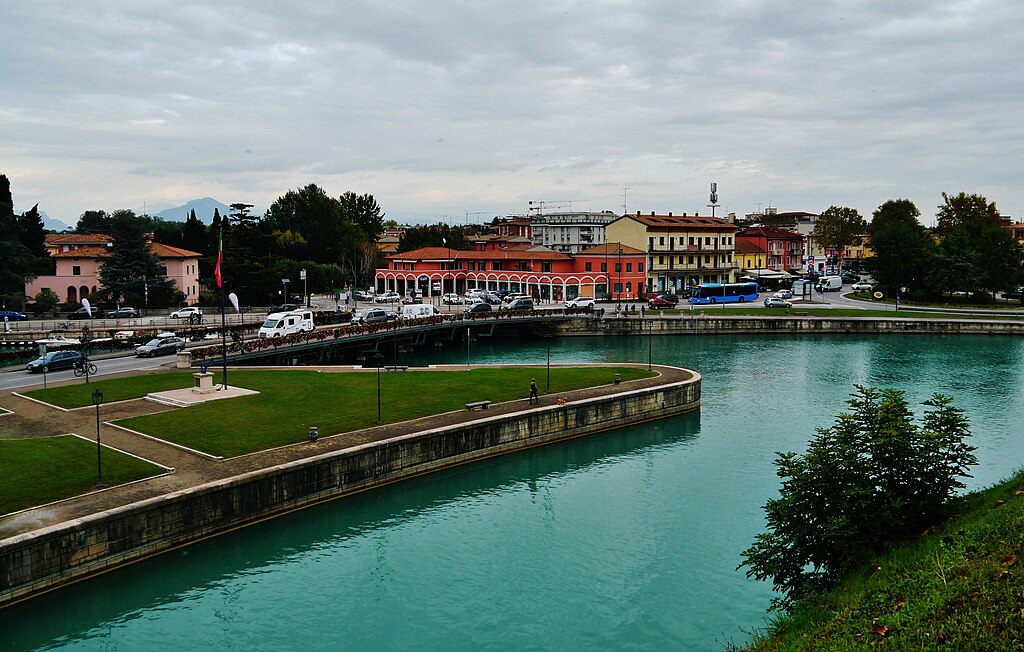
Origins of the Mincio and the Shaping of its Valley
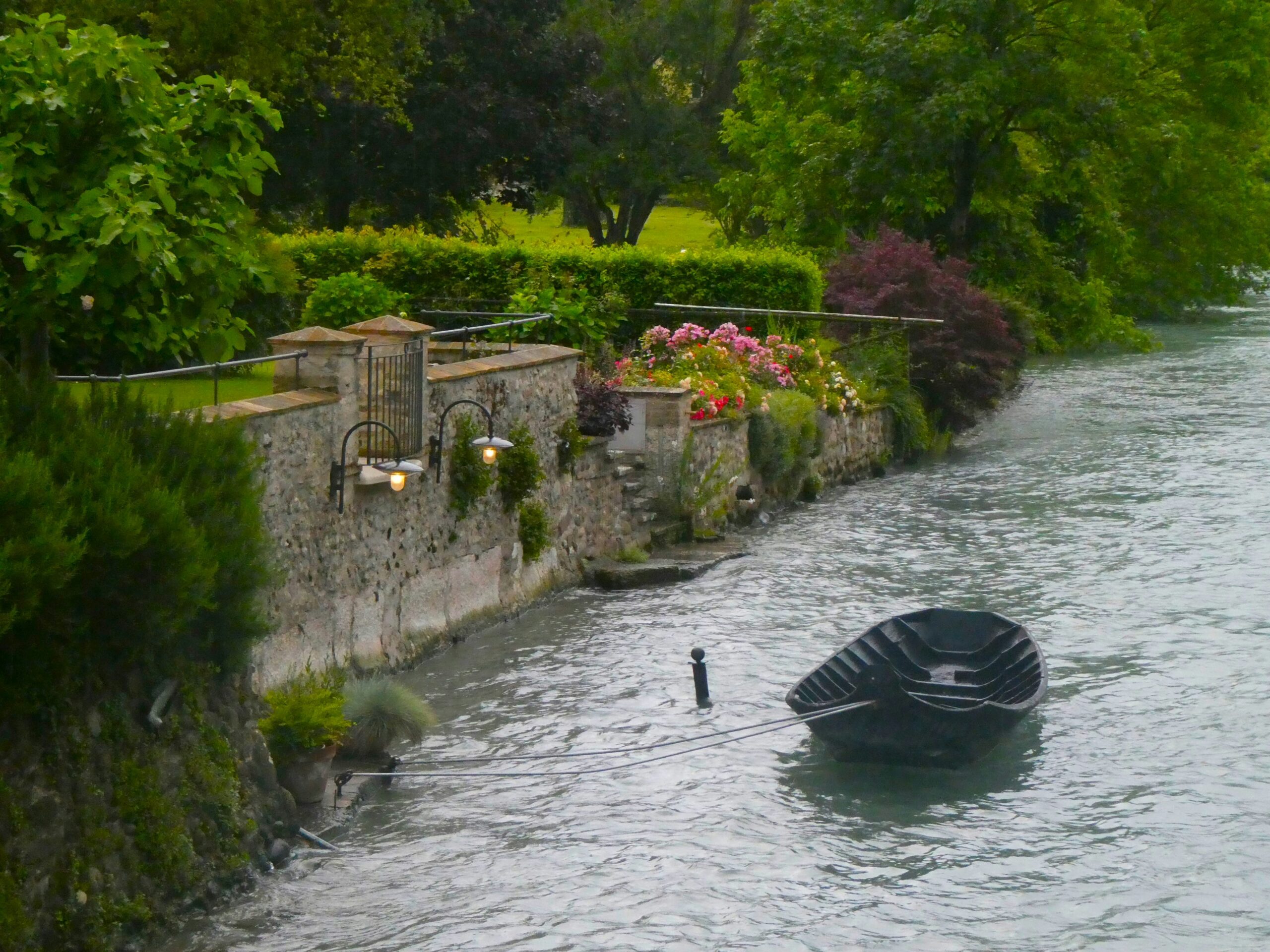
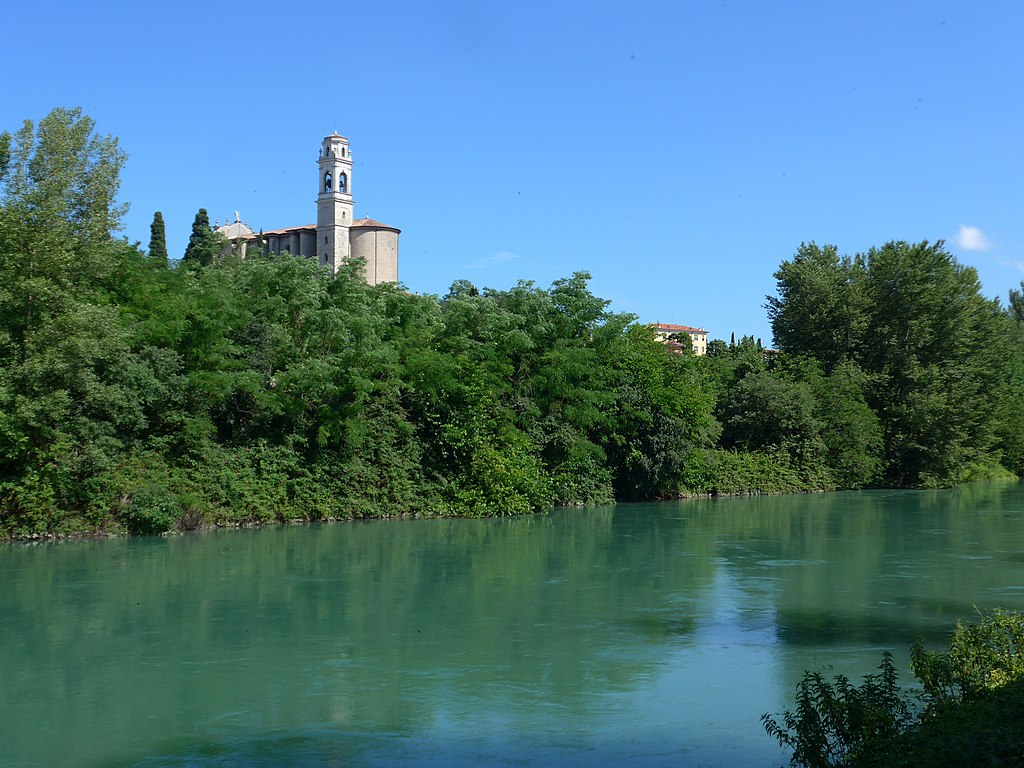
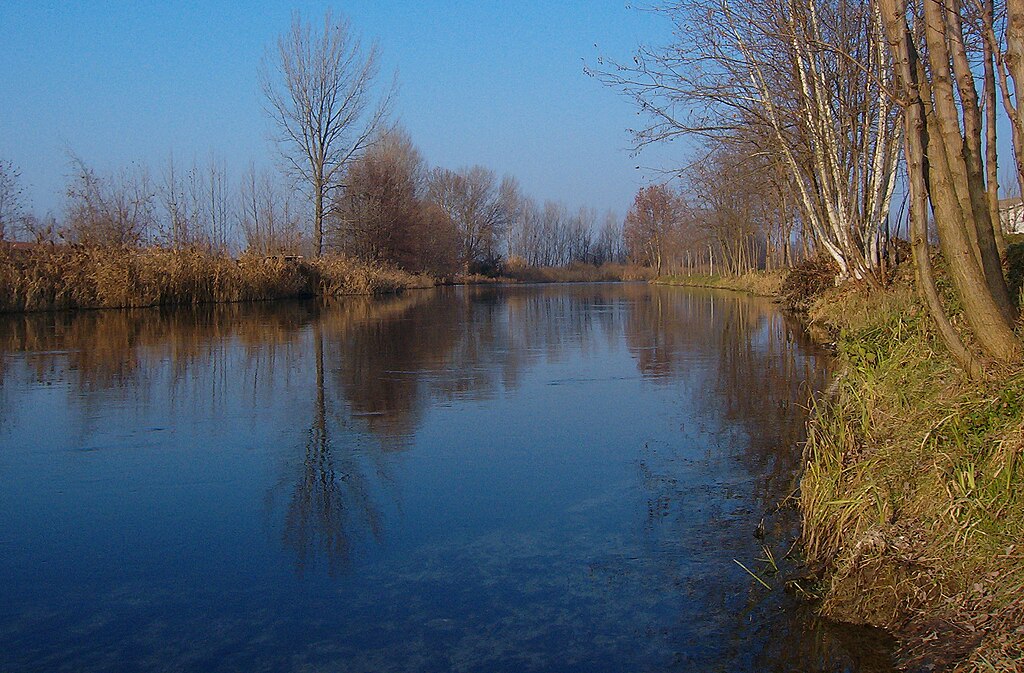
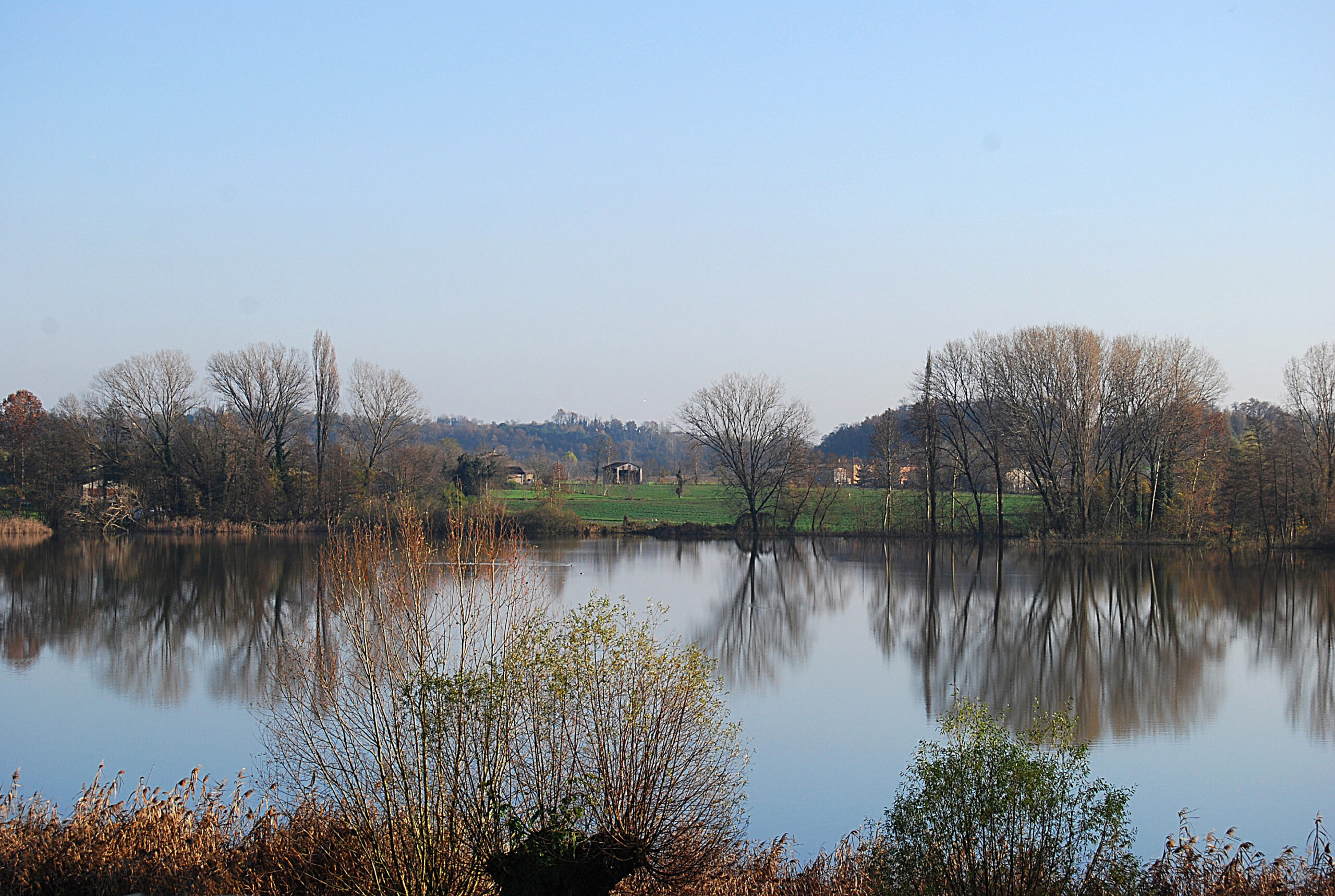
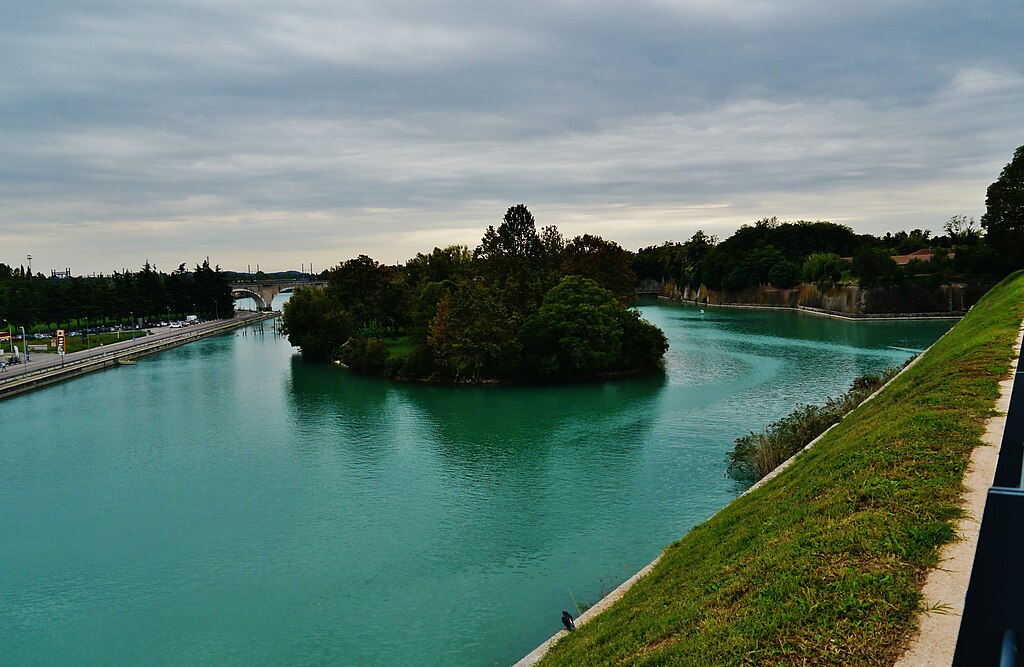
The Mincio River does not begin as a mountain torrent, but as the quiet outflow of Lake Garda. Its source is the lake’s southern tip in Peschiera del Garda, where centuries of hydraulic engineering have controlled, constrained, and sometimes frustrated the natural push of its waters. Unlike alpine rivers that roar down from glaciers, the Mincio emerges already mature—filtered by the vast lake basin, steady in temperature, and rich in suspended minerals. This stability is what allows life to flourish along its banks: reeds, water lilies, herons, coots, and the delicate ecosystems of slow water.
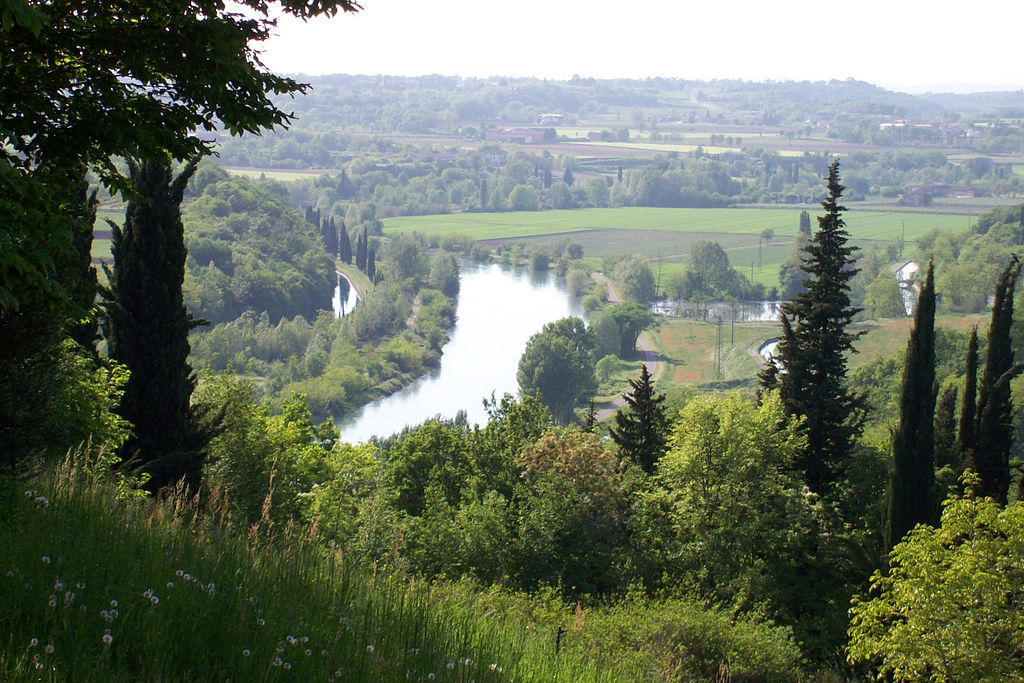
Geologically, the valley is a product of the last Ice Age. When the great Garda glacier retreated around 12,000 years ago, it sculpted a wide corridor of morainic hills, pushing sediments into gentle, rolling shapes. The Mincio occupies the space where the glacier melted and retreated, carving only a modest channel through soft deposits of clay, sand, and ancient riverbed gravel. This explains the river’s slow pace today: the terrain doesn’t force urgency. It meanders. It breathes.
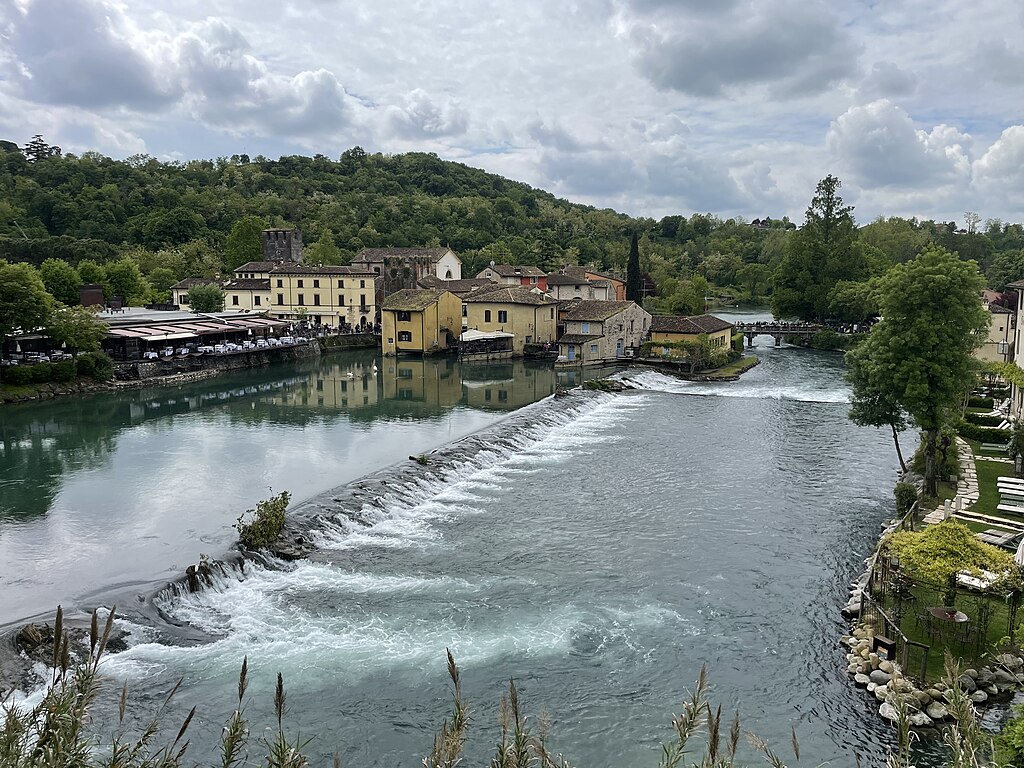
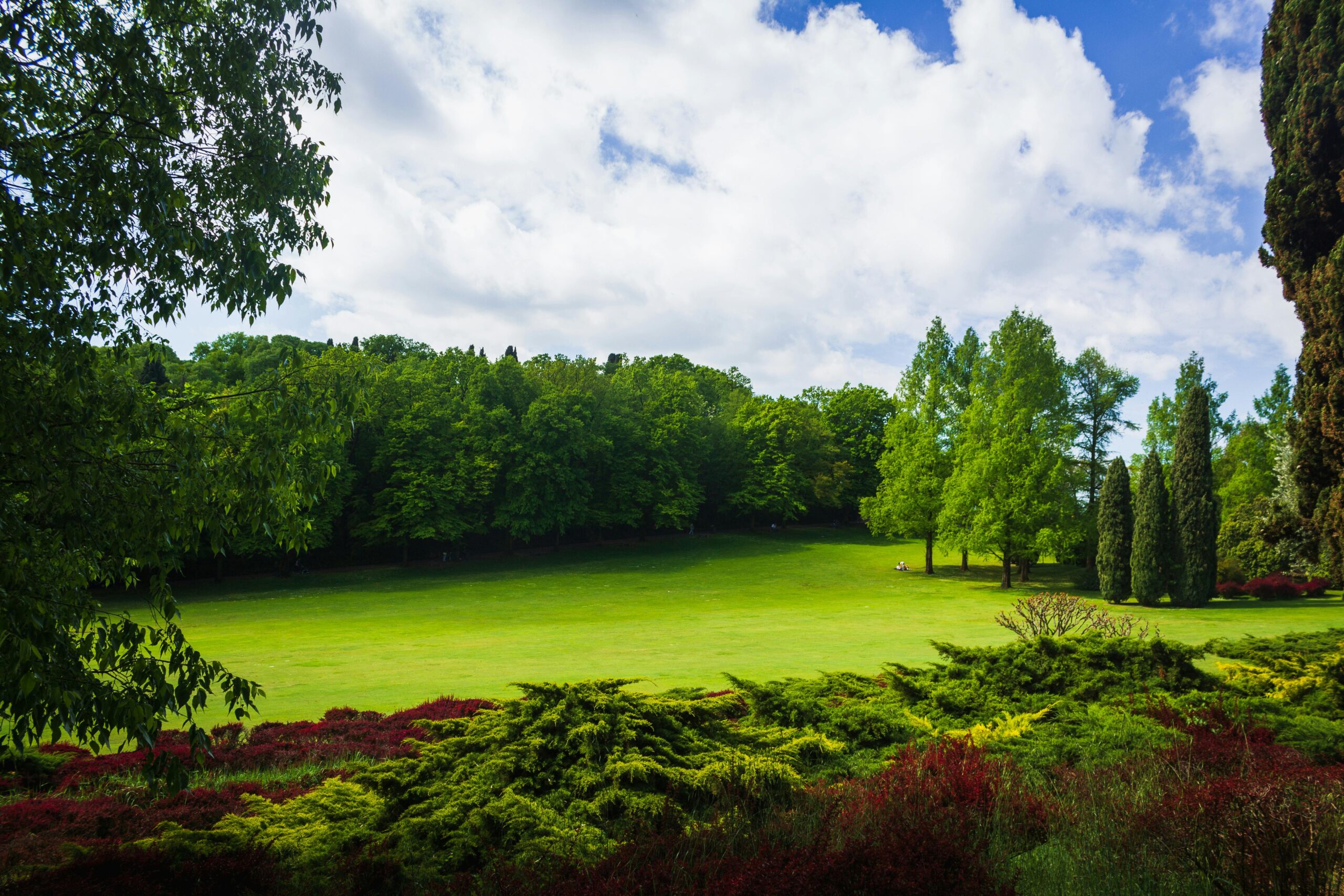
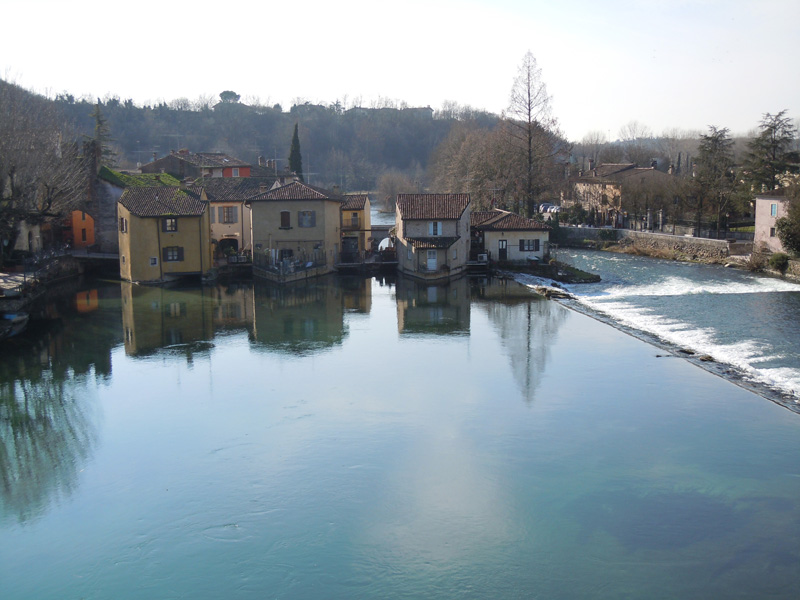
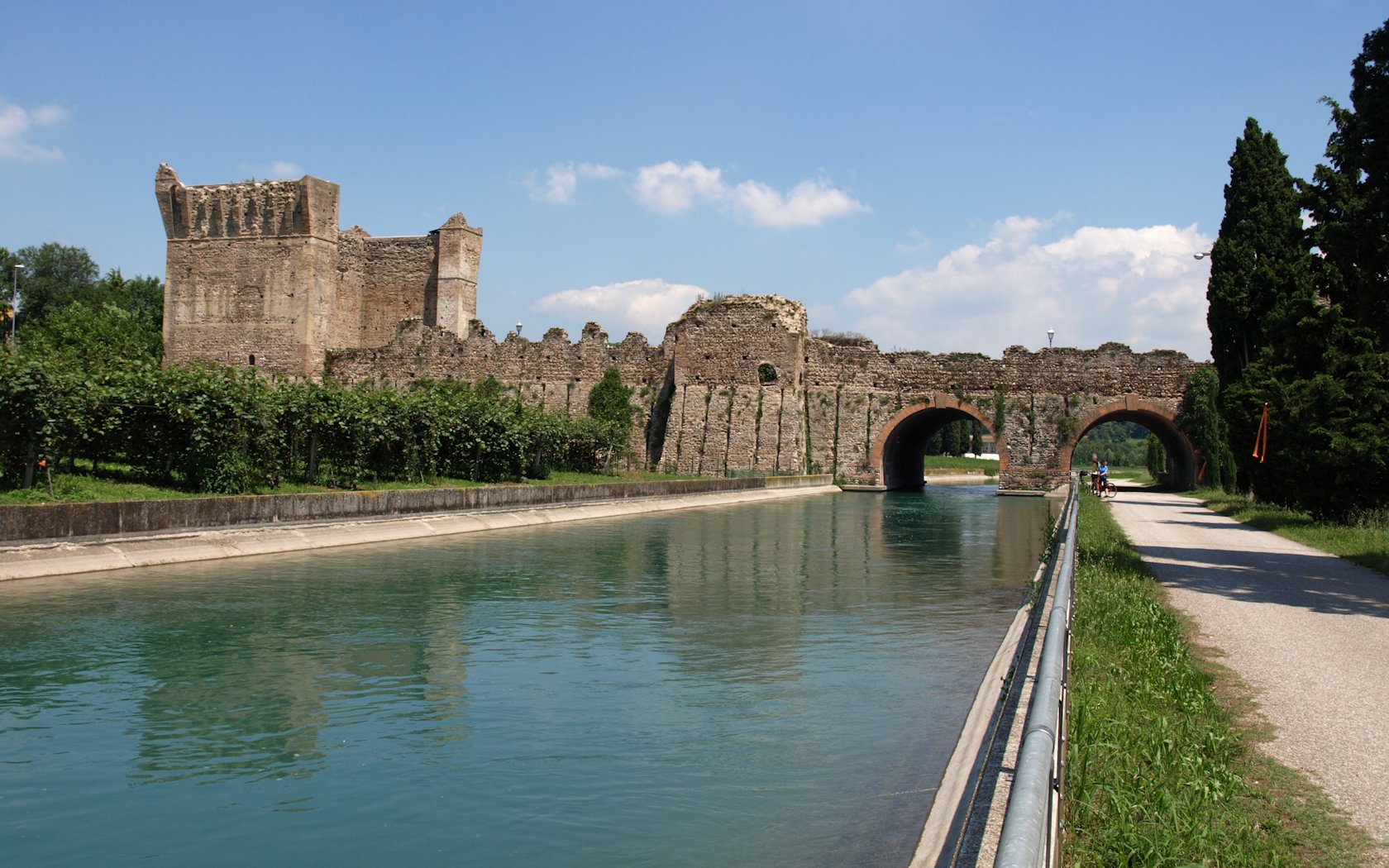
Because of this glacial legacy, the valley has two faces. On one side, the morainic ridges—dry, warm, ideal for vineyards and olive trees. On the other, the floodplain—fertile, flat, and historically dotted with water meadows, mills, and rice fields. The transition between these two zones is where Borghetto sul Mincio was born: a medieval settlement leveraging water power long before turbines and concrete channels existed.
Human intervention has shaped the river almost as much as ice did. Renaissance engineers diverted channels for irrigation; medieval lords built dams to power grain mills; and 19th-century controls stabilized flow for navigation. Even today, the regulation gates in Peschiera mediate the relationship between Lake Garda’s level, the Mincio’s discharge, and the distant Po.
Walk here and you feel this tension: a river that could be wilder, but isn’t; a landscape that could be harsher, but softened by centuries of careful use. It’s why the Mincio Valley feels strangely comfortable for walking and cycling. You’re not fighting the terrain—you’re following a path carved by geology, refined by human hands, and polished by time.
And this is exactly where your journey begins.
Origins, Growth, and Meaning of the Mincio Greenway
The Mincio Greenway was born from a simple need: to give people a quieter, safer way to reach Borghetto and the gentle countryside around it without forcing everyone into a car. Narrow village streets were never designed for weekend traffic, and the river valley deserved something softer. The first small segments began to appear in the late 1980s, whispered rather than announced—practical rather than visionary.
Its growth wasn’t sudden. Throughout the 1990s, only short sections were paved, often disconnected and silently waiting. One municipality added a fragment; another extended it around a bend. Piece by piece, the route took shape—slowly, patiently—almost like the river itself. It didn’t arrive with a ceremonial ribbon; it just became longer, smoother, and more natural to follow. Eventually, without anyone fully realizing it, the scattered pieces connected. A path existed.
Over time, the meaning of that path changed. What began as infrastructure quietly evolved into something cultural. Families walked together. Cyclists and walkers discovered new cafés. Children learned balance on two wheels under the shade of poplars. Tourists arrived differently—less hurried, more curious. The river, once just scenery glimpsed from a speeding car, became a companion to move alongside.
Today, the Mincio Greeway is more than asphalt. It’s a gentle corridor that teaches a way of being outdoors without dominating the landscape. It lets you hear waterbirds and the turning of mill wheels. It reminds you that travel doesn’t always require speed. It belongs to people of every age: the couple with a picnic basket, the parent pushing a stroller, the teenager testing new gears.
Culturally, it has softened the valley. It encourages slowness in a region that could easily have surrendered to crowds and noise. It weaves together river, mills, villages, and vineyards into a single story—one told at walking pace. It has turned everyday movement into something closer to ritual: step, breathe, observe, continue.
And the landscape benefits from this gentleness. Bikes and shoes tread lightly. Birds return to reed beds. Silence becomes possible again. The river feels respected.
The Mincio Greeway didn’t just solve a local problem. It gave the valley a voice—quiet, steady, and easy to follow. A path that began out of necessity now reflects a choice: to move through nature as a guest, not a conqueror.
Monzambano → Borghetto on Foot
My Favourite Segment of the Mincio
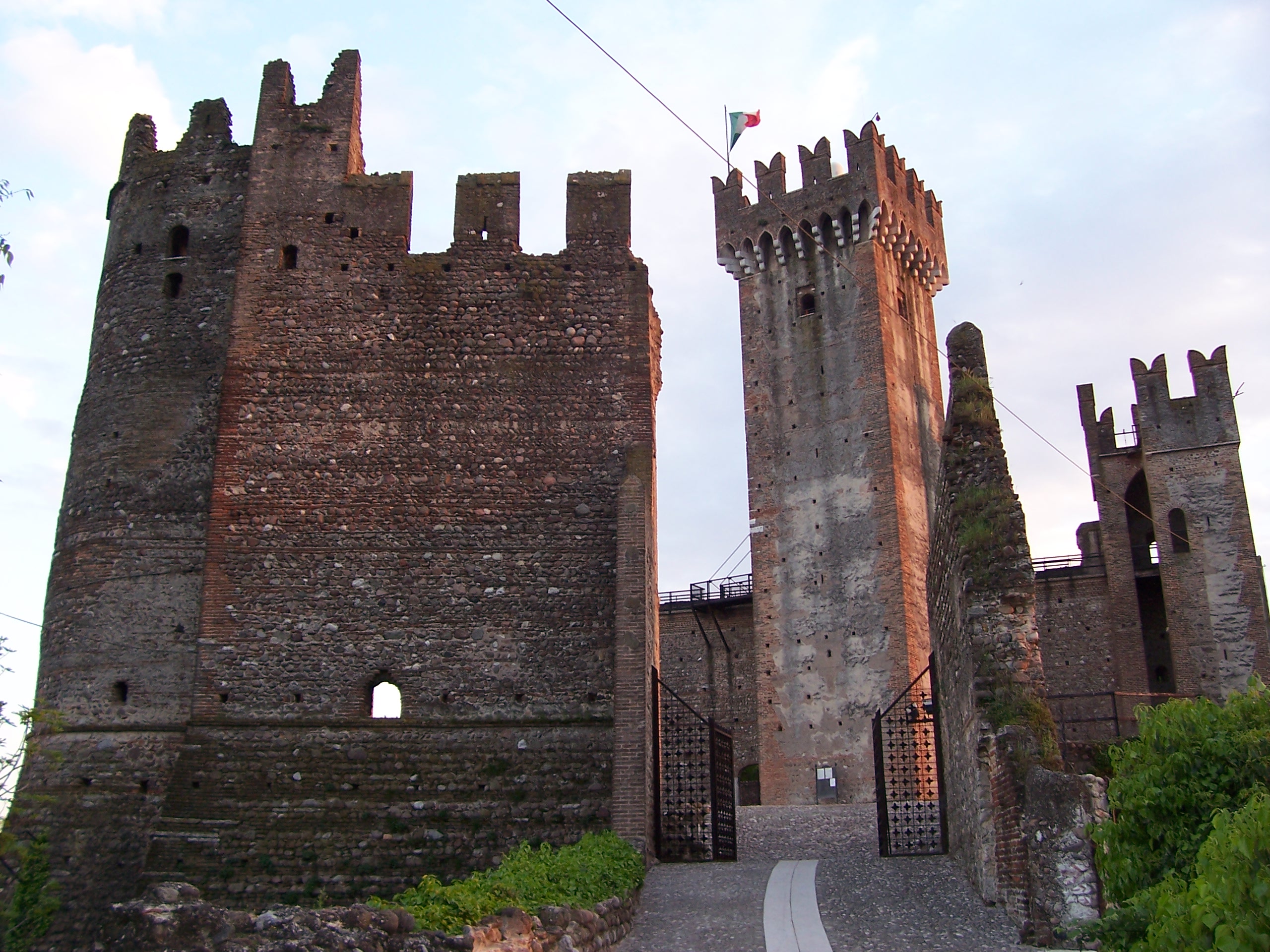
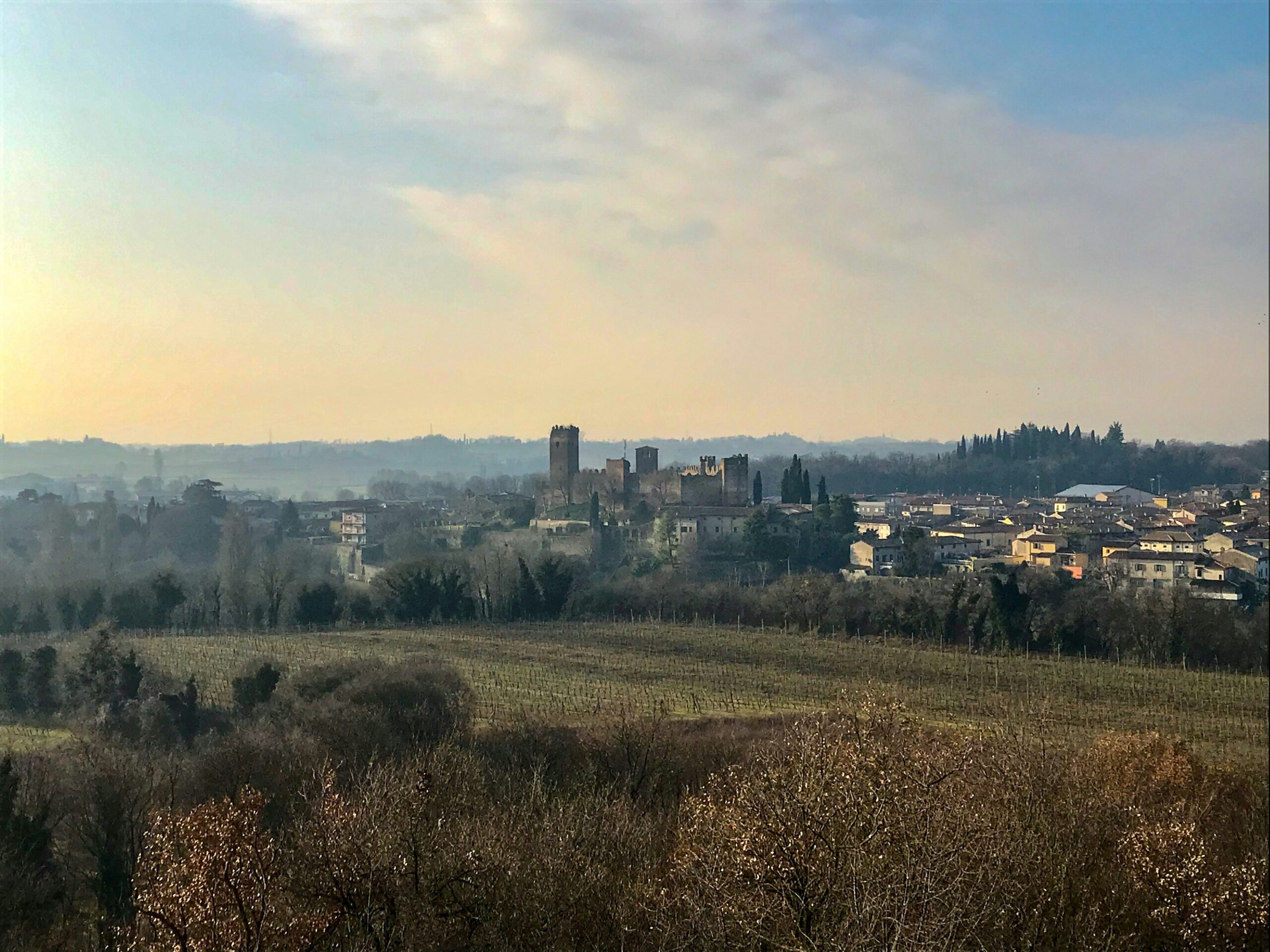
This is the segment I recommend above all the others—not because it is the longest or the most famous, but because it gracefully connects two of the Mincio Valley’s most enchanting villages: Monzambano and Borghetto sul Mincio. The walk unfolds along a gentle, riverside corridor where the landscape feels both spacious and intimate: reeds whisper against the water, the morainic hills hover in the distance, and every bend slows your pace without asking permission.
The full route measures about 5 km (one way), which feels just right. It’s enough to stretch the legs, breathe, and earn your arrival, but never long enough to become a slog. You begin in Monzambano’s quieter atmosphere, then settle into a steady rhythm beside the water. The path is flat and intuitive—exactly the kind of simplicity that makes walking feel restorative, not competitive.
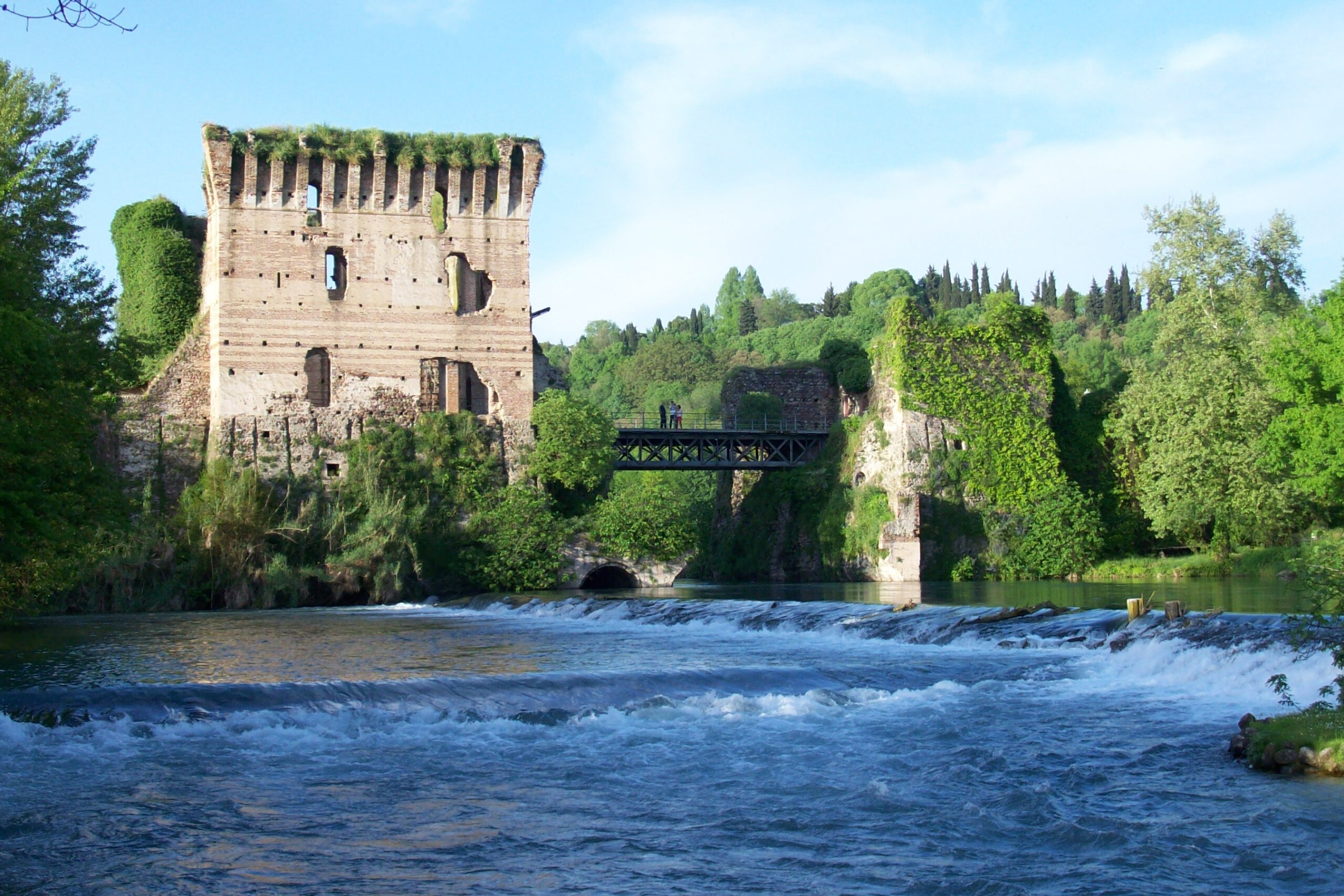
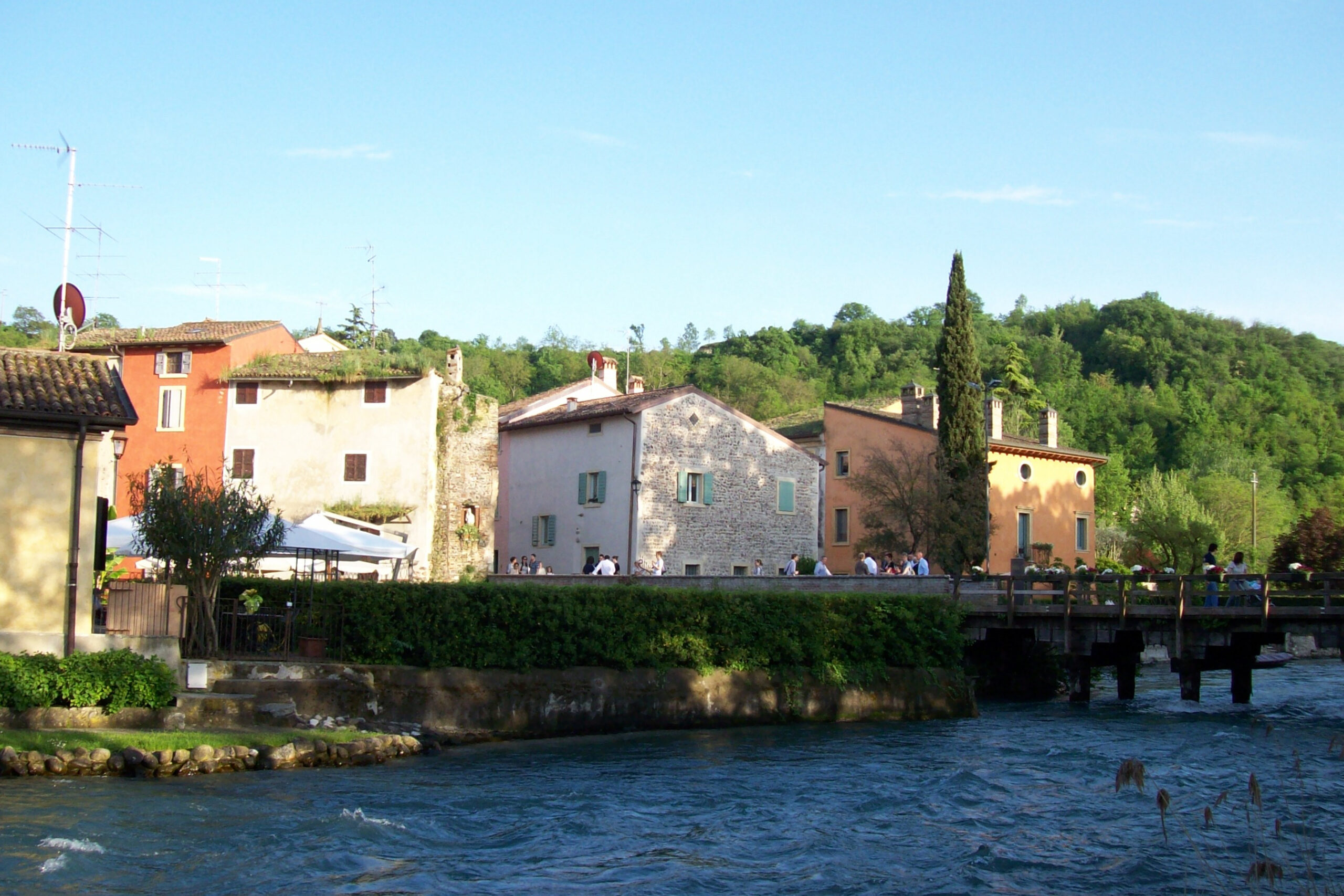
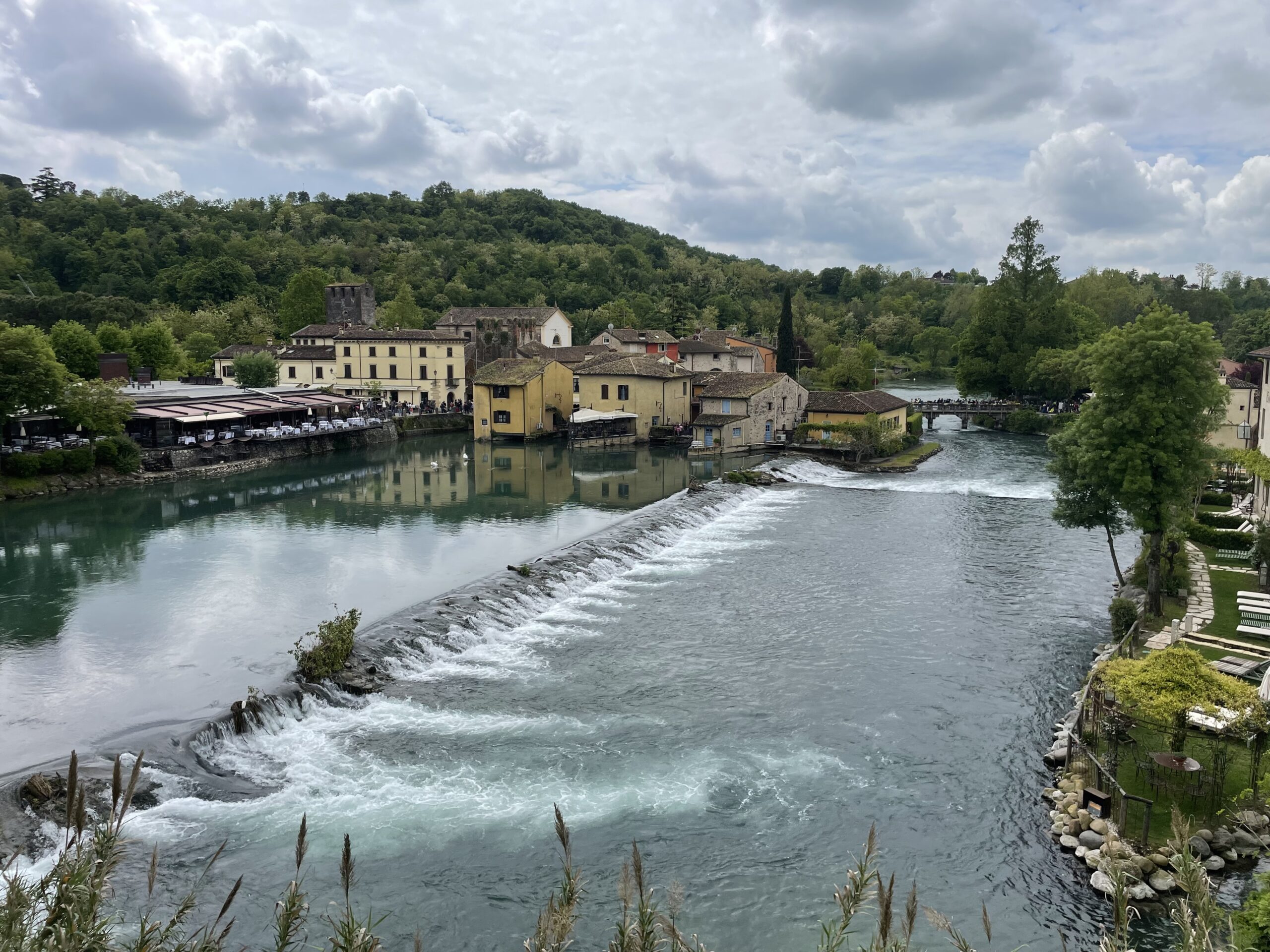
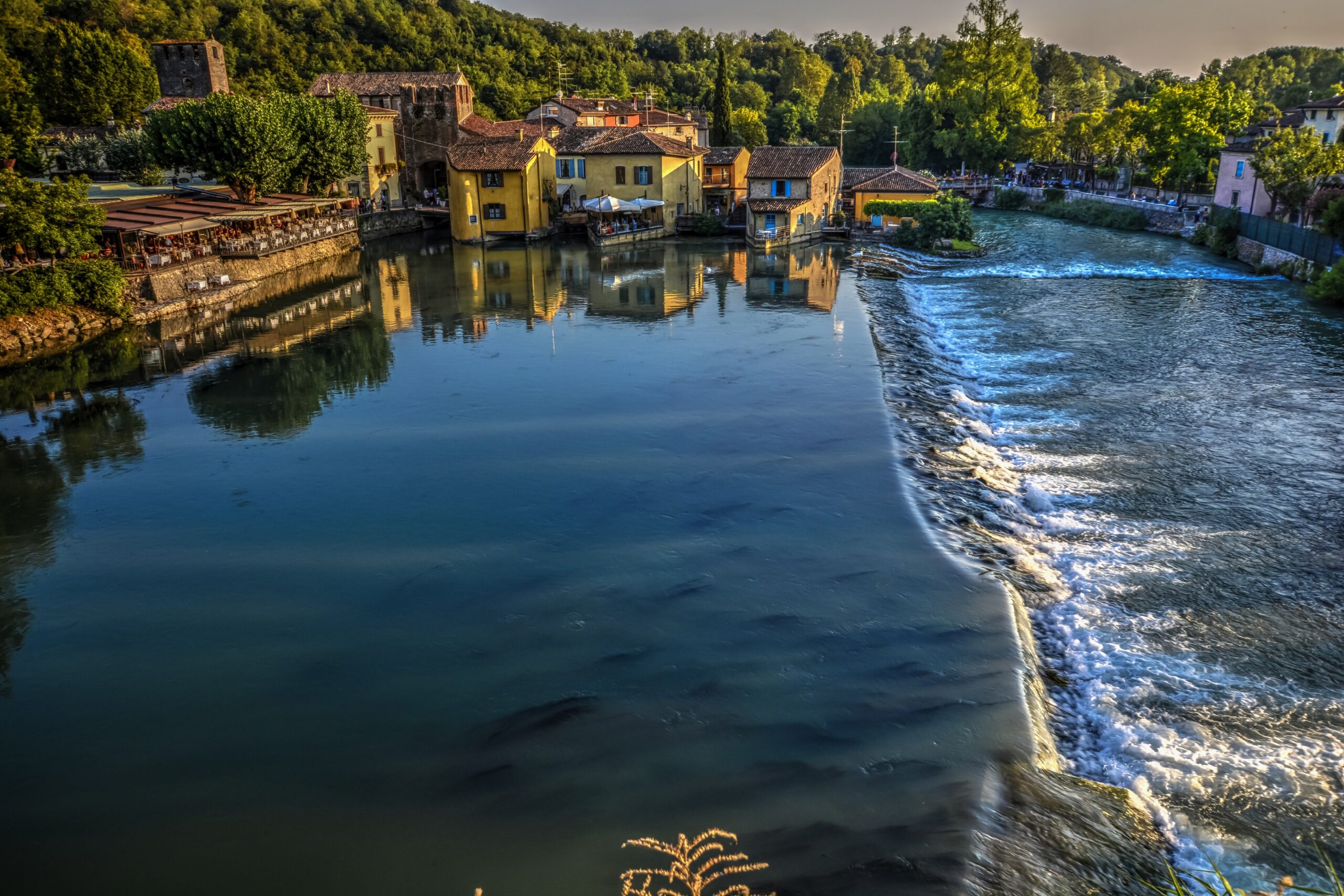
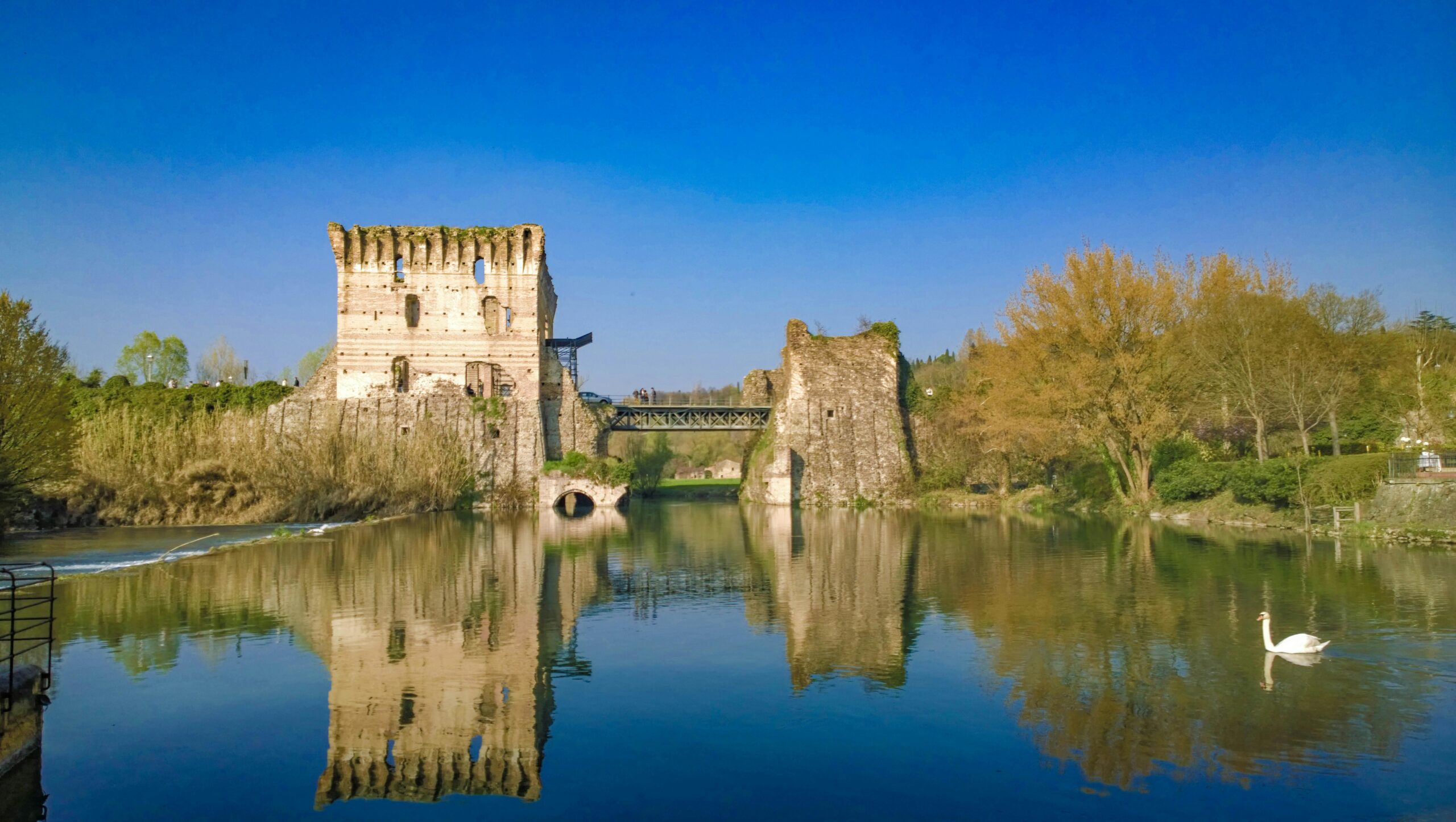
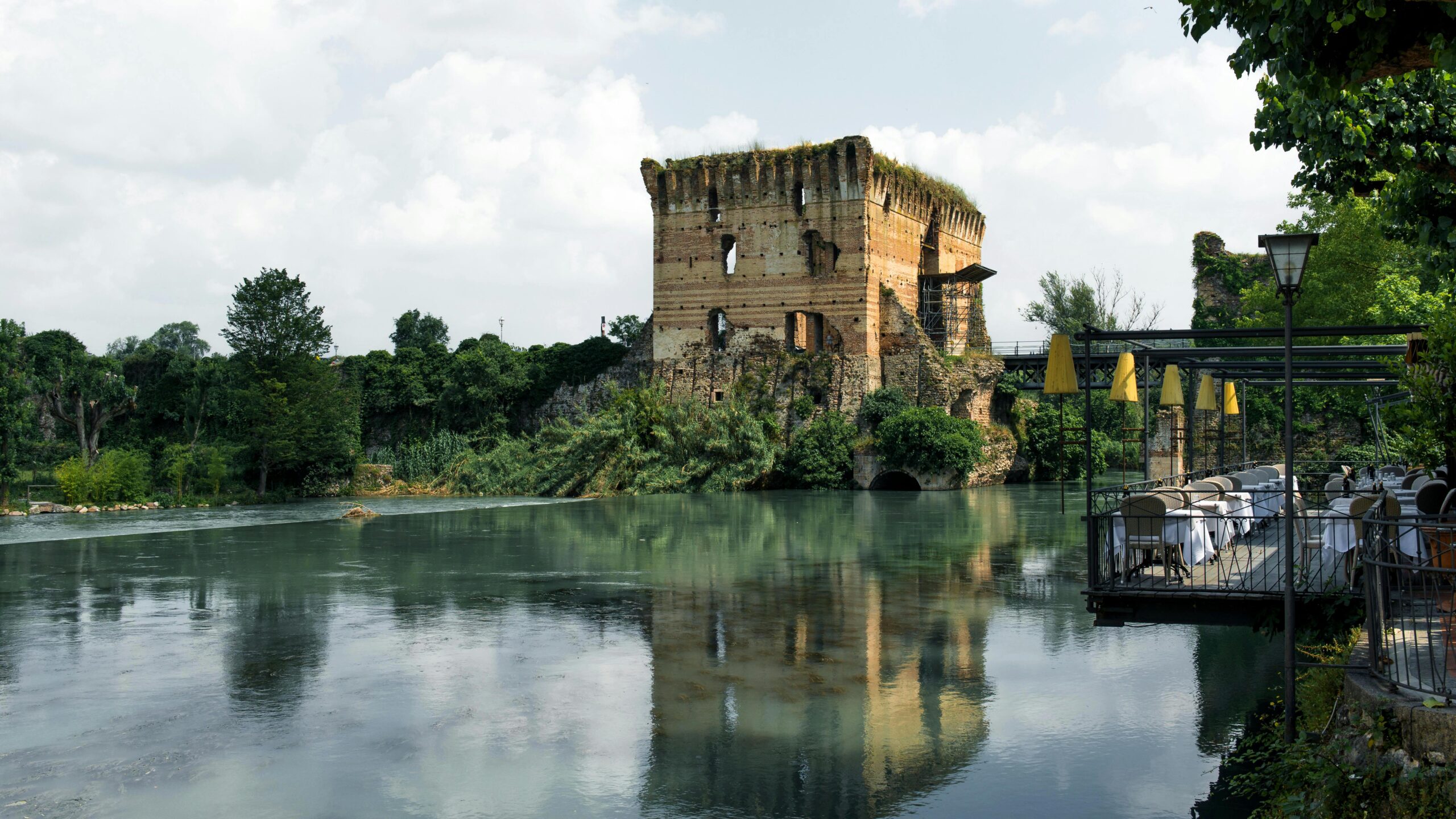
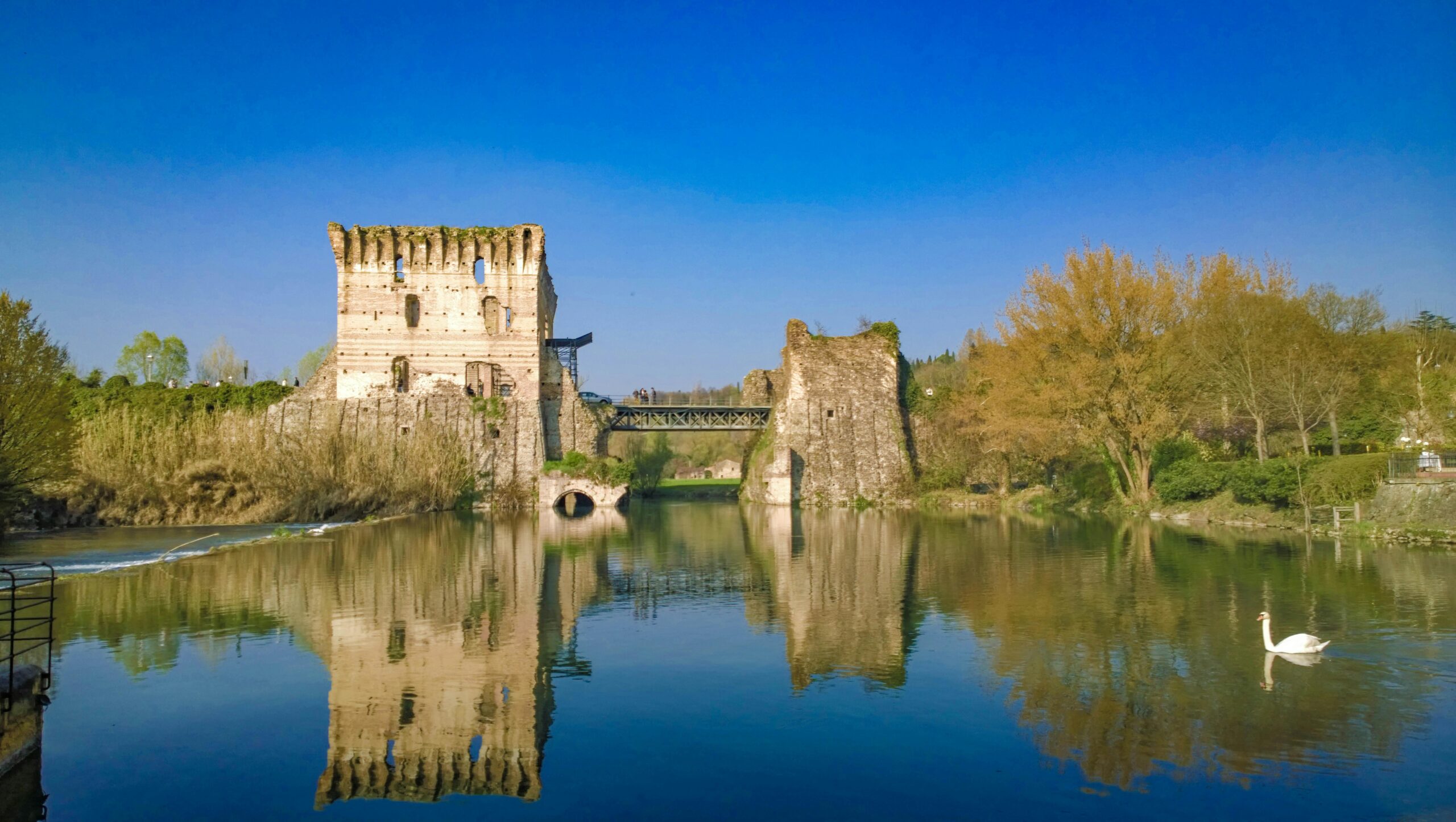
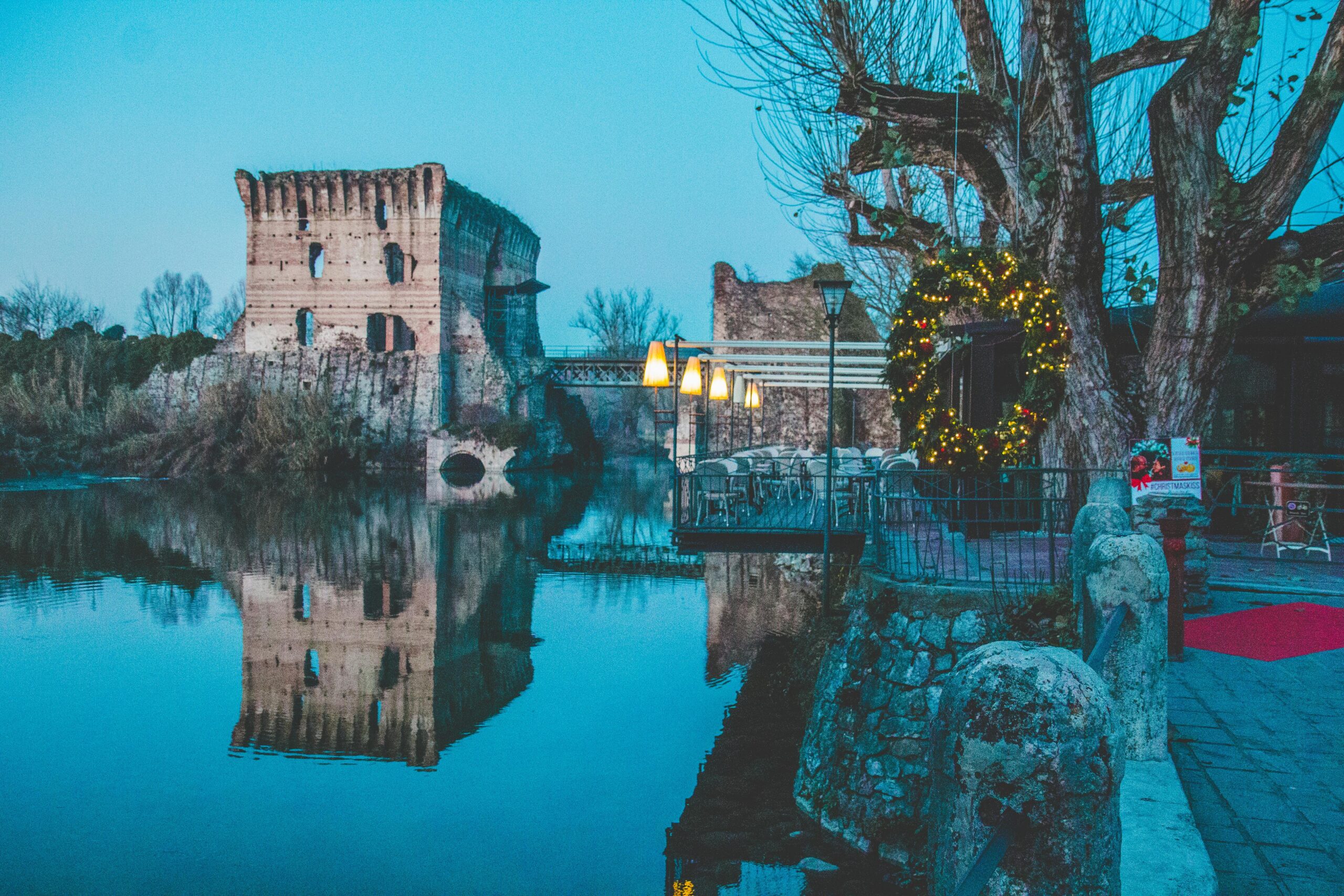
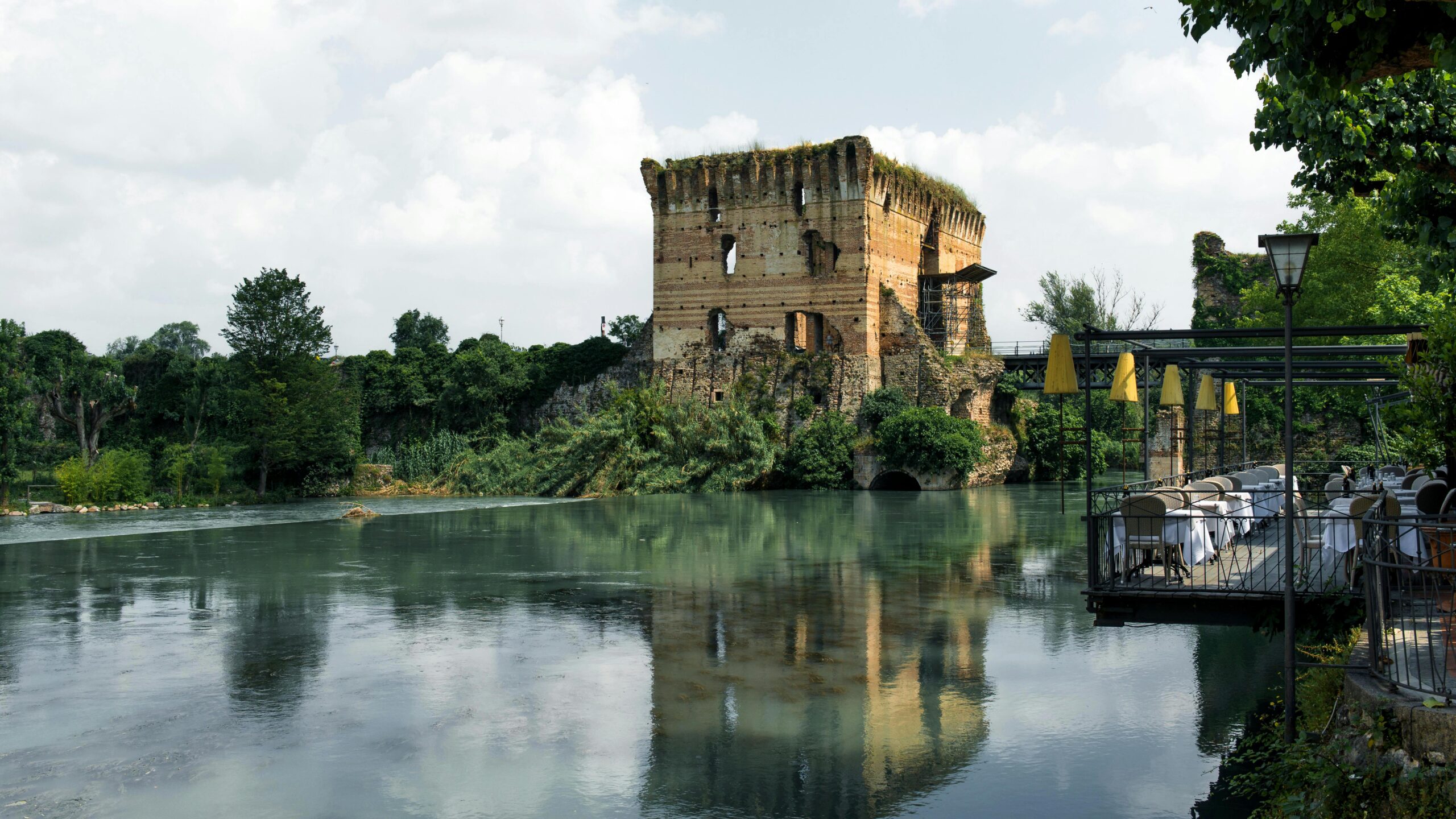
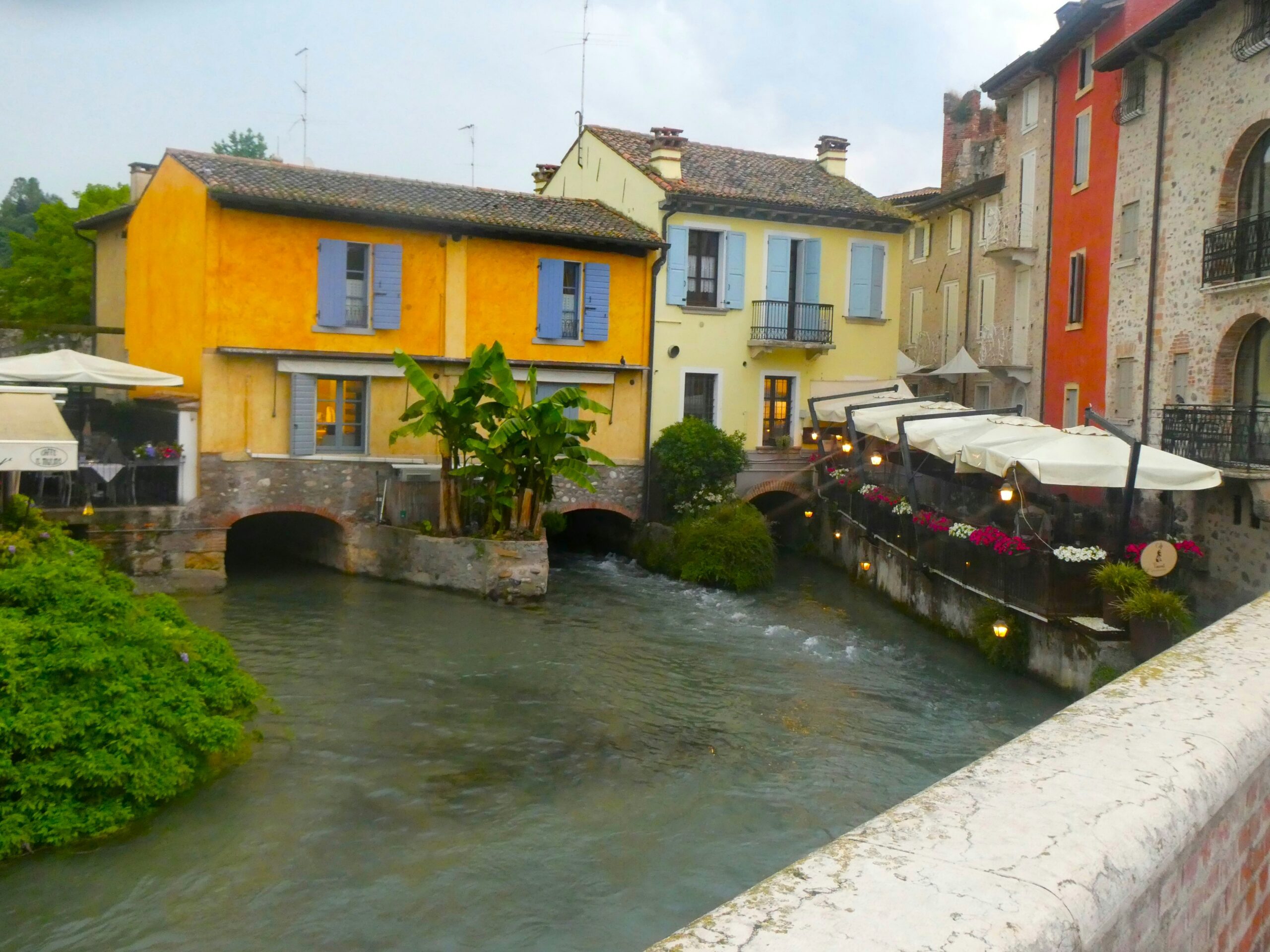
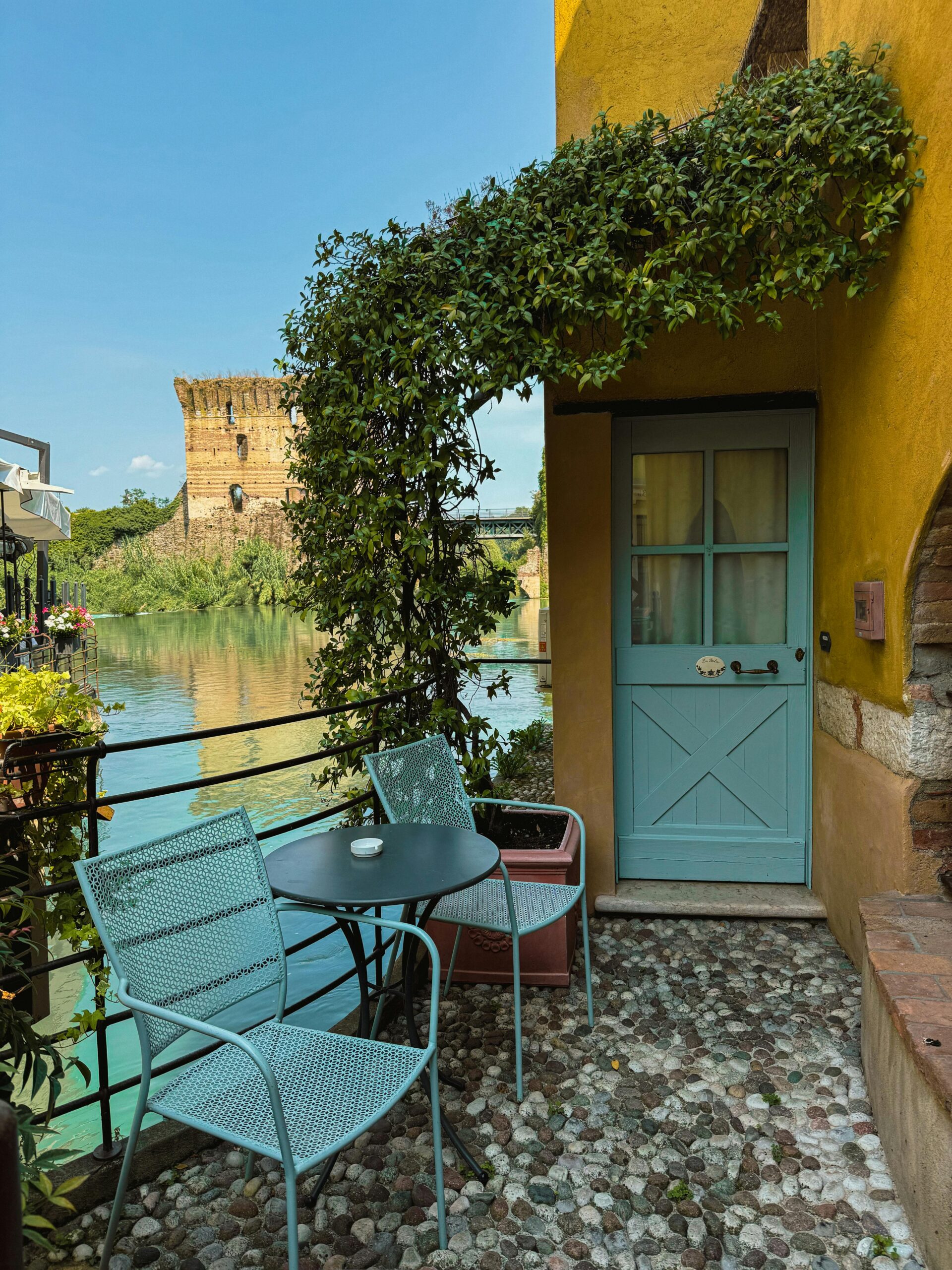
After an hour at a comfortable pace, the landscape begins to concentrate: mill wheels, medieval stone houses, and the dramatic silhouette of the Visconti Bridge. Suddenly, you’re in Borghetto, where water becomes architecture and the past becomes sound. And from there, Valeggio sul Mincio is only a few steps away—just close enough to tempt you.
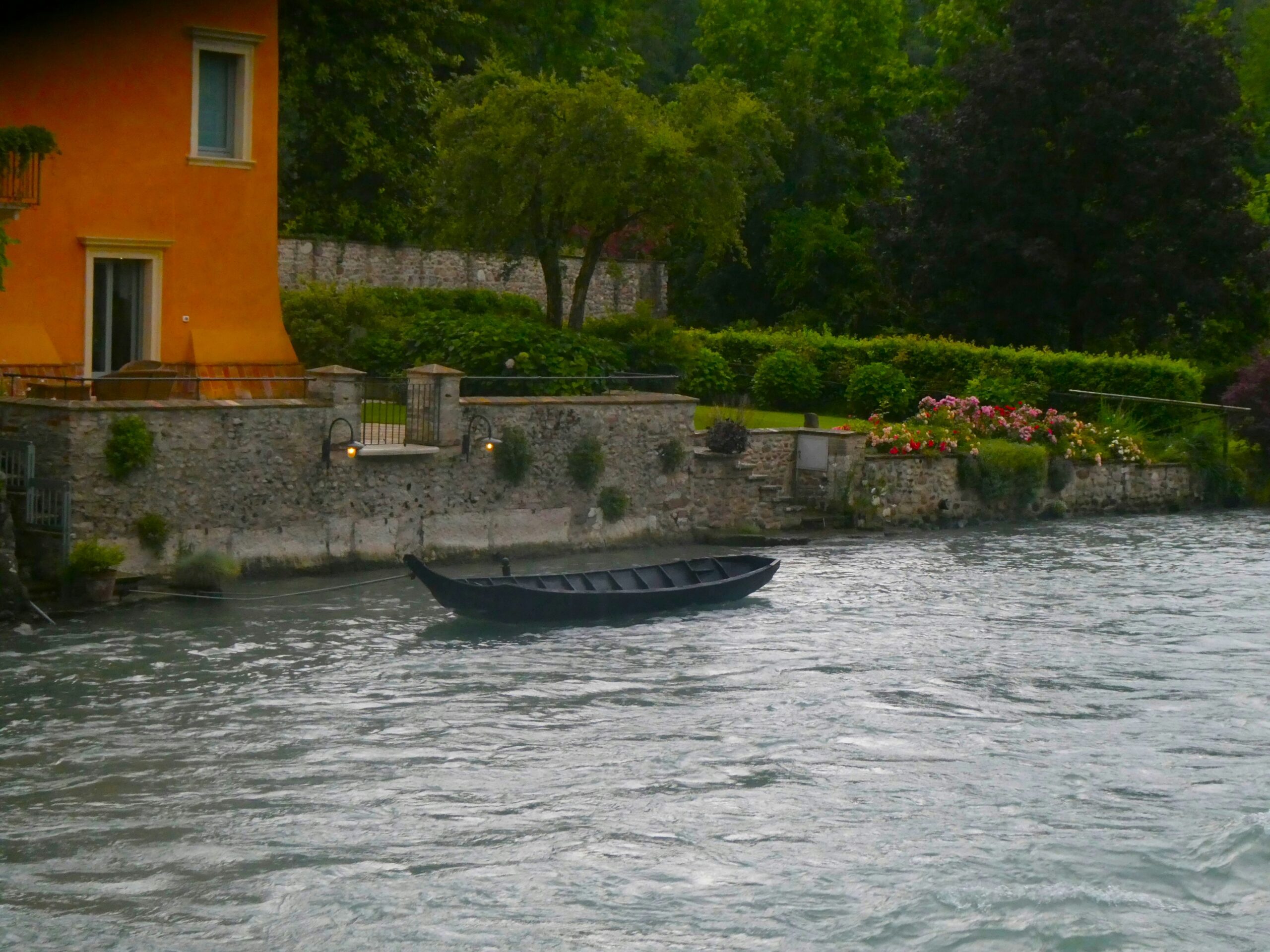
What makes this segment special is the transition. You start in a hilltop village shaped by fortifications, and finish in a riverside hamlet carved by canals. The river is the thread that stitches them together. Herons, coots, and little egrets patrol the shallows; fishermen lean quietly over the banks; lily pads drift in slow-moving water. It’s a short walk full of micro-details if you keep your senses open.
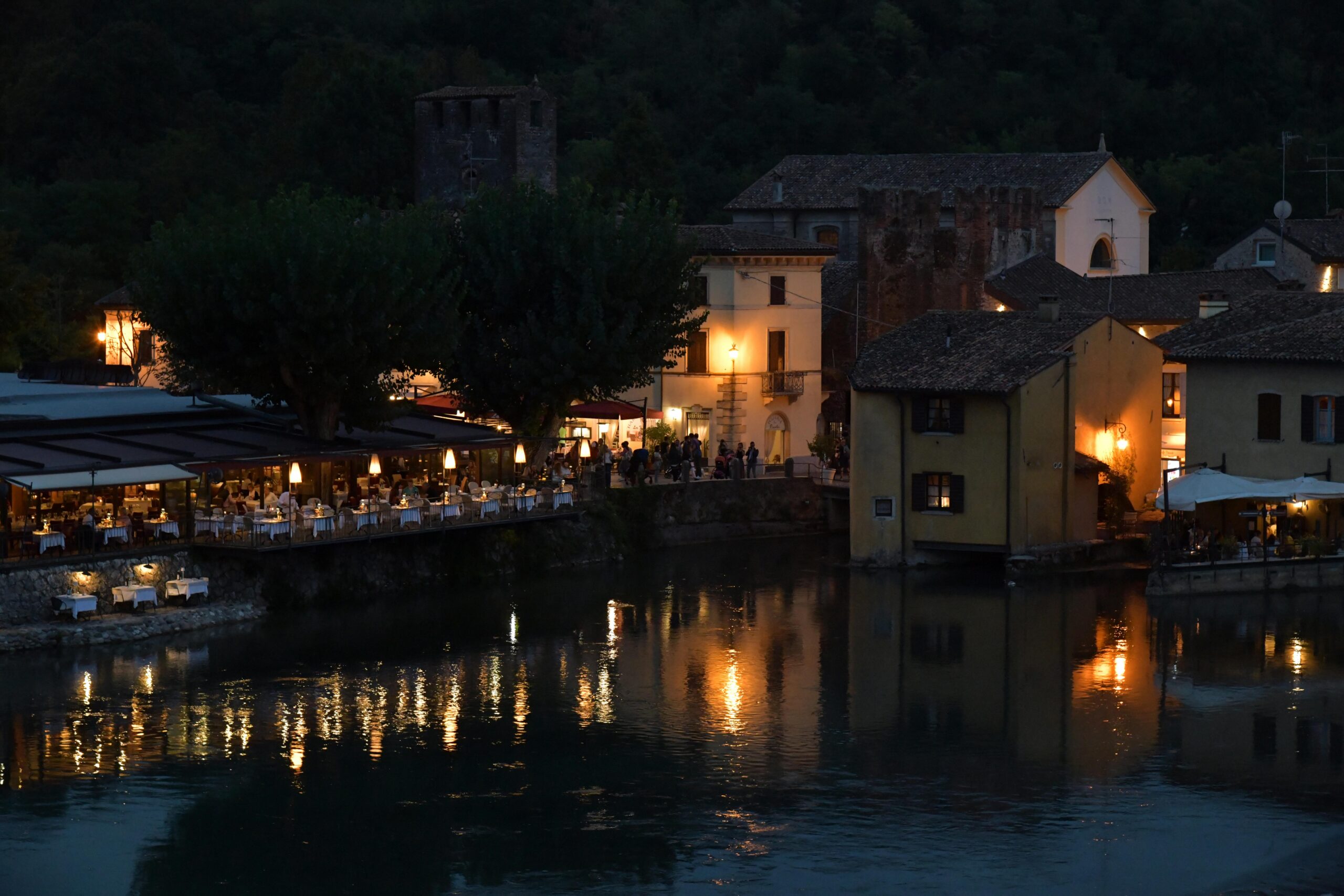
And there’s a cultural prize at the end. Valeggio sul Mincio has become a destination for gastronomic tourism from all over the world, and with good reason. After your walk, it’s worth sitting down at one of the excellent restaurants along the river and tasting some of the local specialities. In autumn, menus often feature pumpkin tortelli—smooth, fragrant, beautifully seasonal. At other times, you’ll find risotto al tastasal, a traditional rice dish perfumed with seasoned pork. For dessert, locals will push you gently toward sbrisolona (crisp, almond-rich) or torta delle rose, a soft, buttery swirl that pairs dangerously well with coffee.
If you want a quieter approach, you can cross through Valeggio’s gardens and parks and choose one of the town’s celebrated restaurants. Many visitors come here for the food alone; arriving on foot transforms that experience into something softer, earned, and memorable.
For families with young children, there’s an excellent shorter option: the route starting near the Demu Stube restaurant (and its convenient parking). This reduces the walk to roughly 2 km—still scenic, still riverside, and perfect for strollers or little legs. You don’t lose the essence; you simply shorten the anticipation.
A practical note on timing: this route shines in autumn. Light is softer, leaves deepen into gold and copper, and—crucially—there are fewer bicycles. Weekends in summer can be lively, especially near Borghetto, and sharing the path politely requires a little awareness. In autumn, the river turns contemplative again, and the walk becomes pure flow.
One important clarification for international readers: although Italian maps call this corridor a “ciclovia” (cycle path), it is very much open to walkers. You do not need a bicycle to enjoy it. In fact, walking is often the richer experience; it leaves room for small discoveries and quiet moments by the reeds. Pace here is a choice, not a race.
Walking this stretch teaches something subtle. It reminds you that villages once connected slowly, socially, along water. It’s not a hike to conquer; it’s a quiet line of calm between two communities. Arriving in Borghetto on foot changes the mood entirely: traffic disappears, water replaces noise, and the first sight of the mills feels earned rather than consumed.
If you want the simplest introduction to the Mincio Valley—its nature, its rhythm, its food, its people—start here. Five kilometers of gentle movement carry you from quiet streets to flowing water, from hilltop outlines to riverside stone, and finally into a place where the reward is the table waiting at the end.
Walk it once, preferably in autumn, and you’ll understand why this has become my favourite segment on the river. It’s not just a path. It’s a connection—between places, between memories, and between the pace you think you need and the pace the river quietly offers instead.