The Elegance of Simplicity Between River and Hills
Between Verona and Mantua, Valeggio sul Mincio rests in a landscape shaped by water and low, ancient hills. The village has always lived on the slow rhythm of the Mincio, on its orchards and farmsteads, on the modest intelligence of a cuisine that prefers the fragrance of herbs to the weight of fat. It is a borderland with two souls — the rural Padana one, tied to fields, gardens, poultry and pork, and the Venetian hillside one, lighter, more aromatic, often closer to olive oil than to butter.
From this meeting emerges a cooking style that feels refined without being pretentious: seasonal, balanced, and deeply connected to the land that surrounds it.
 The Tortellini of Valeggio: the “love knots”
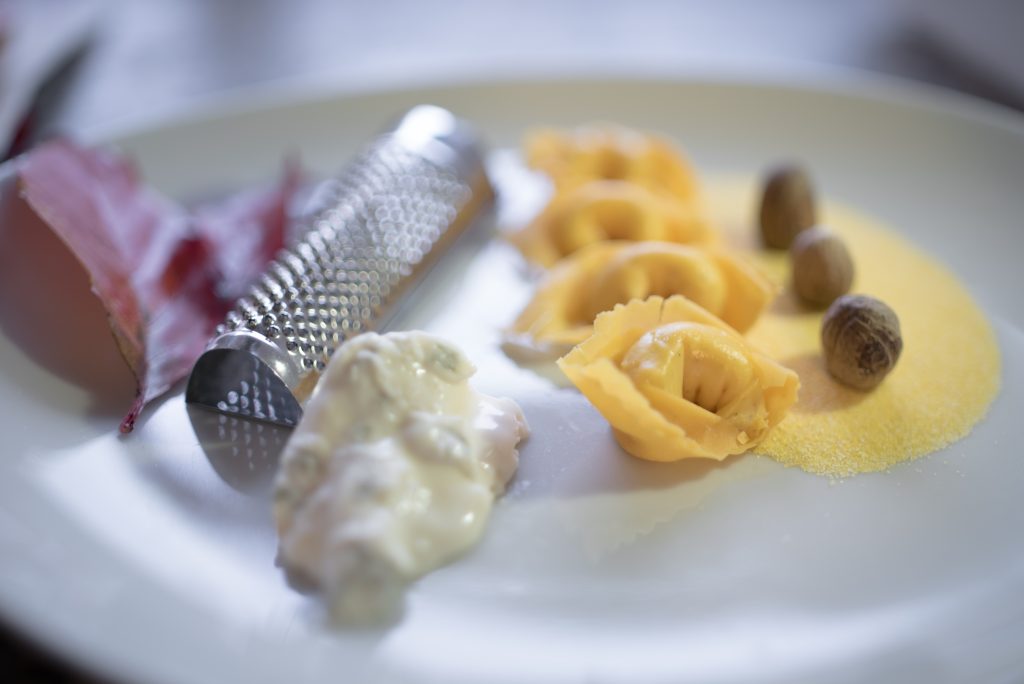
Among all the dishes of the valley, the tortellini — the nodi d’amore — are the most intimate expression of this place. Legend speaks of a golden silk scarf tied as a token of love between a soldier and a water nymph. Whether or not the story is true matters less than the gesture it preserves: a small knot, light and delicate, just like the pasta that still carries its shape.
 Why they differ form the Emilian Torellini
The difference becomes clear the moment you look at the dough. Emilian tortellini were shaped by abundance: thicker sheets, rich fillings, broths full of depth. Valeggio instead developed a different grammar — a preference for transparency and restraint.
Its tortellini rely on
• a hand-rolled sheet so thin it almost glows,
• fillings that adapt to the season, and
• dressings that never drown the pasta — a drop of melted butter, a single leaf of sage, a clear broth, or a drizzle of delicate Garda olive oil.
It is pasta that reveals rather than hides, where every flavour remains legible.
 Variations rooted in family tradition
Because this is a rural valley and not an aristocratic city, the fillings follow the rhythm of the garden and the habits of the households. You might come across
• duck with rosemary, echoing old farm kitchens,
• spinach, cheese and walnuts,
• bitter herbs gathered in spring,
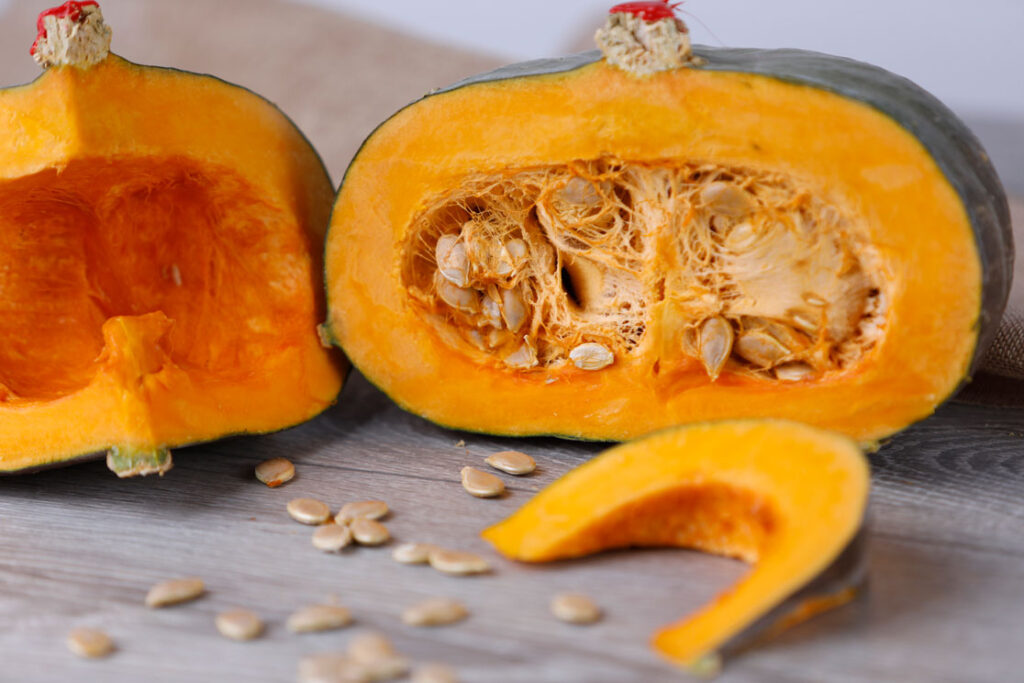
• or pumpkin with mostarda and amaretti, a quiet nod to Mantua.
Each family guards its own version. No two mixtures are quite alike, and that quiet variability is part of the charm.
 The land that feeds the tortellino
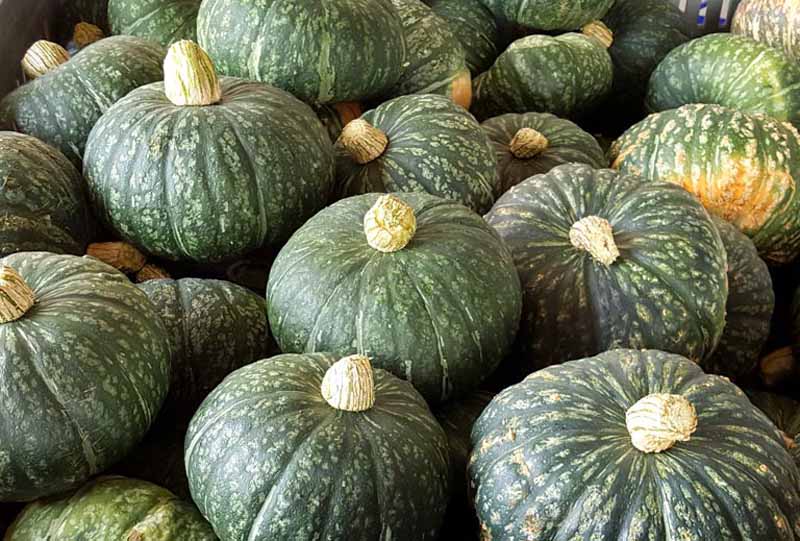
The countryside between Valeggio, Volta Mantovana and Goito explains much of the character of the cuisine. Fields offer sweet Mantuan pumpkin, peas and asparagus in spring, radicchio and wild chicory in winter; barns store ancient wheat and corn, mills still echo the past; olive groves contribute the soft brightness of Garda oil; from farmyards arrive Grana Padano, salami and pancetta.
Here, flavour begins in the soil long before it reaches the stove.
 Risotto al tastasal
Among the dishes shaped by this land, none is more evocative than risotto al tastasal. Once used by norcini to test the seasoning of salami, the minced pork — scented with pepper and a touch of nutmeg — becomes, with Vialone Nano rice and a splash of wine, a warm, aromatic dish that feels both humble and quietly elegant.
 Maccheroncini with stracotto
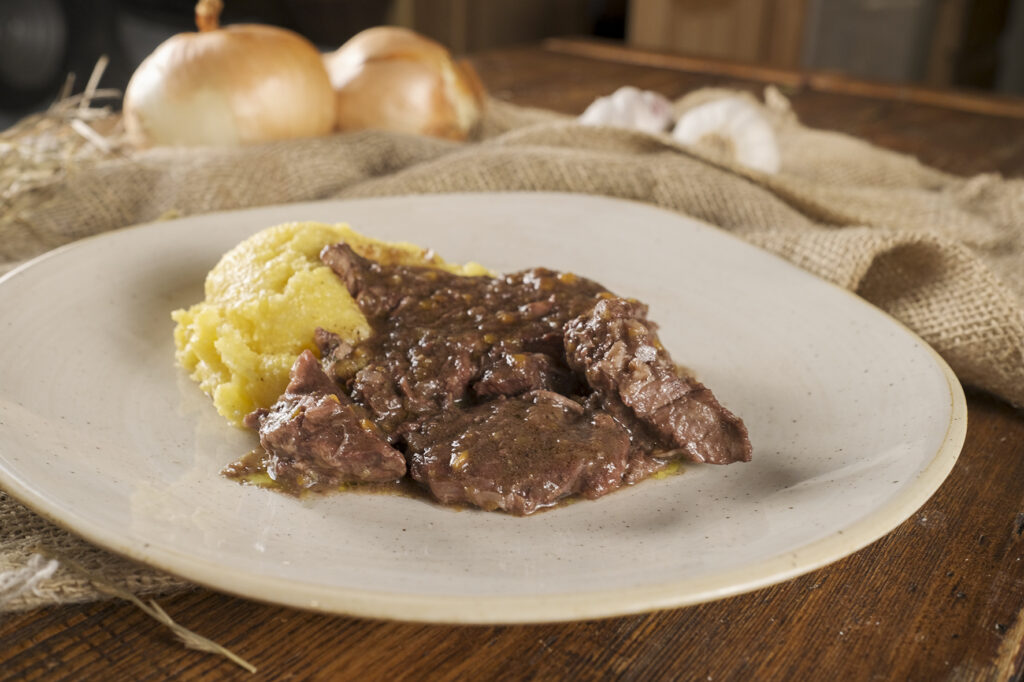
Sundays often bring maccheroncini with stracotto, the meat simmered for hours in wine and vegetables until it falls apart on the fork. The sauce becomes dense and velvety, gripping the handmade pasta as if gathering the patience of the cook into every strand.
 A farmhouse repertoire
The old kitchens of Valeggio still speak through dishes like
• rabbit stewed with olives and white wine,
• chicken scented with rosemary,
• cotechino with lentils,
• slow-braised beef and donkey with soft polenta,
• and wild-herb omelettes as soon as spring greens reappear.
These are the flavours of a countryside that never sought grandeur, only balance.
 Sweet endings
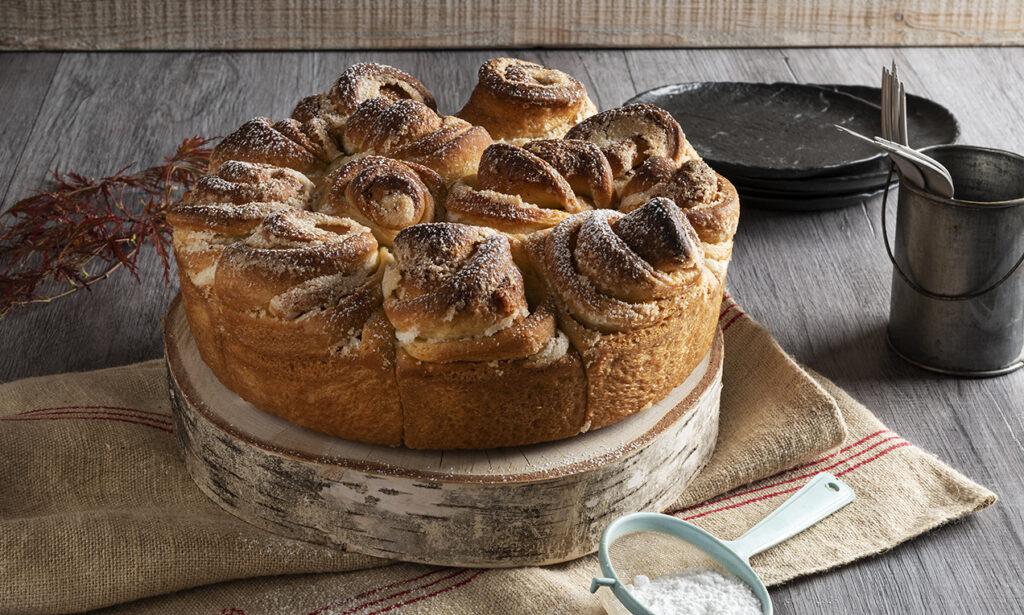
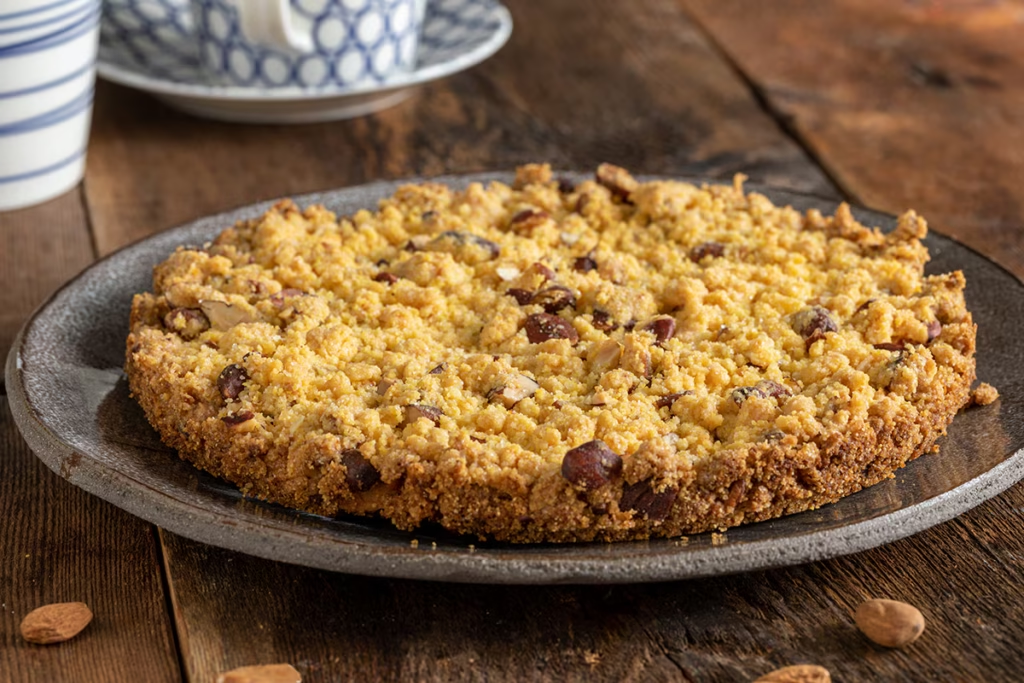
Desserts carry the same domestic poetry. The sbrisolona, born in the farmyards and later welcomed into the courts, breaks into almond-scented crumbs. The tagliatelle cake, the soft torta sabbiosa, the warm rice cake, and the fritters of village feasts each hold a trace of rural generosity. And the Torta delle Rose, with its spirals of butter and sugar opening like petals, remains a symbol of shared indulgence — something meant to be pulled apart by hand around a table.
 A landscape of flavours
When you leave the table, the Mincio cycle path leads you along vineyards and orchards, past mills that once fed the village with both flour and stories. In Borghetto, where the old wheels still turn, it becomes clear that the cuisine of Valeggio is shaped by the same quiet forces that shape its landscape: water, patience, and a kind of love that prefers gestures to declarations.